MARTINSVILLE — As winter weather tightens its grip on Southside and the West Piedmont, wildlife officials are urging residents in Martinsville and surrounding counties to resist the urge to help struggling deer.
The Virginia Department of Wildlife Resources (DWR) renewed its warning this week against feeding deer, saying not only does the practice do more harm than good, but it can also be deadly, particularly during winter, and it is illegal in much of the region.
![]()
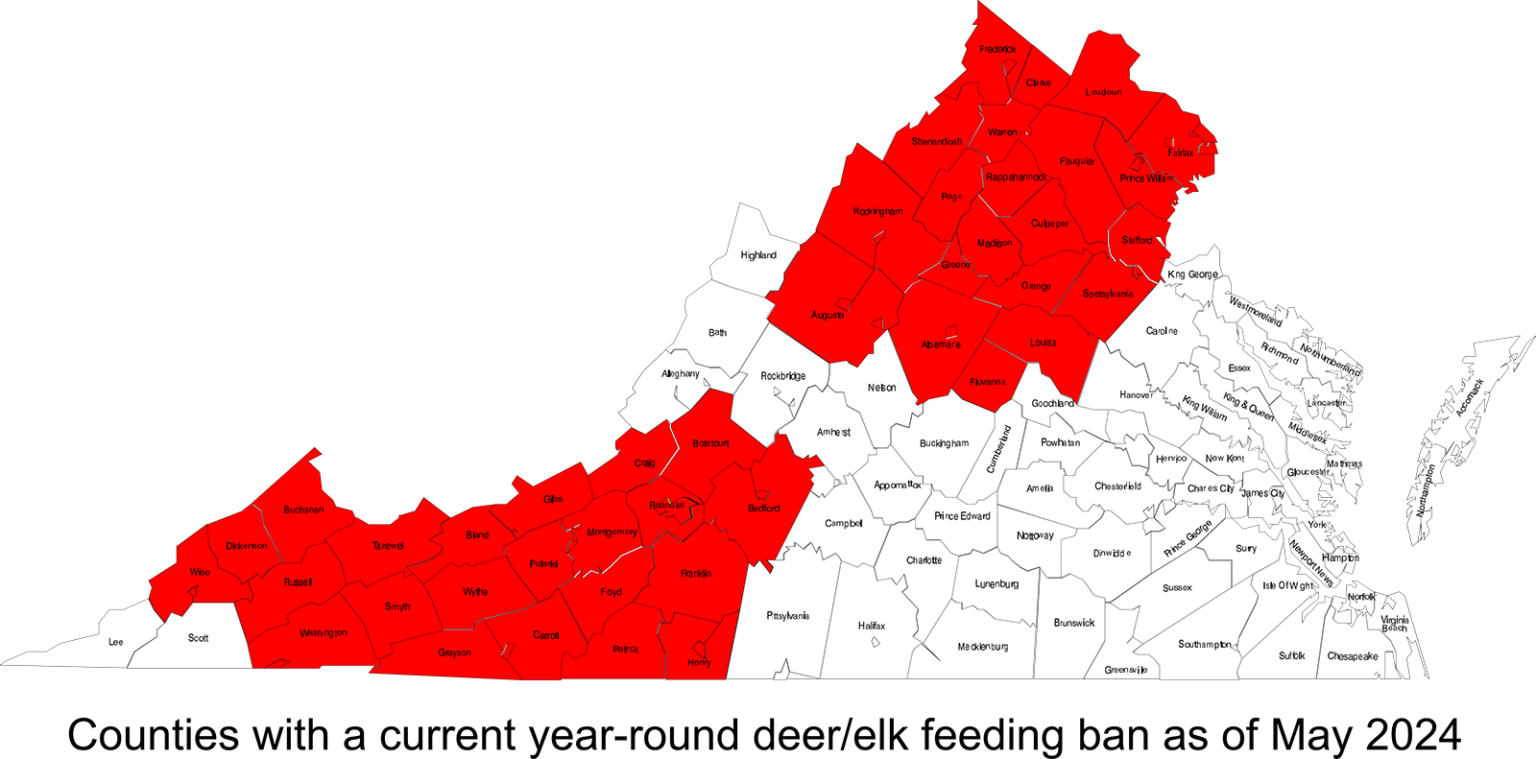
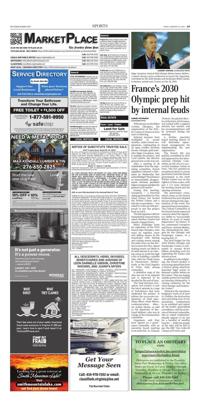
The areas in red are under a state ban for feeding deer,
year-round.
DWR
The reminder comes as Henry, Patrick, and Franklin counties — along with their cities and towns — are among the localities where feeding deer is illegal year-round under state regulations.
“Many well-intentioned people desire to feed deer during these harsh times, but it’s important to refrain from doing so because it can cause tremendous harm,” the department said in a statement.
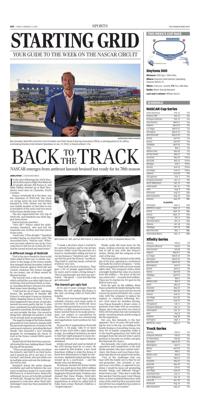
Henry, Patrick, and Franklin counties are all designated by the state as areas where feeding deer is prohibited year-round, a rule intended to reduce disease transmission and prevent deer from congregating near people and roadways.
Martinsville, an independent city surrounded by Henry County, is also subject to statewide restrictions that make feeding deer illegal during any deer or elk hunting season and statewide from Sept. 1 through the first Saturday in January.
The warning follows a period of severe winter weather, including an ice storm and an arctic blast, that has left some residents concerned about wildlife survival.
![]()
Feeding deer is banned in Henry, Patrick, and Franklin counties,
including the cities and towns within them.
VDWR
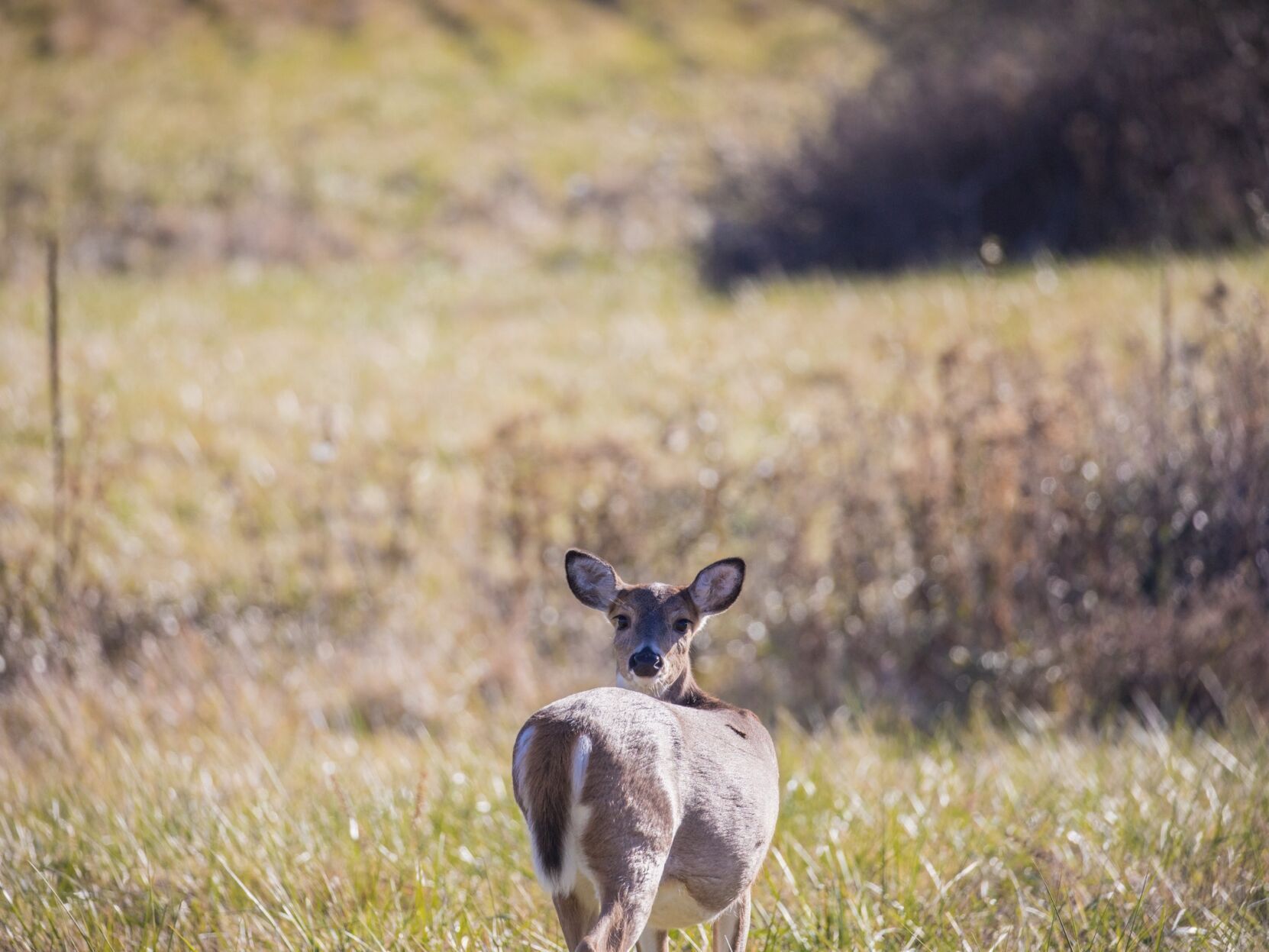
Biologists say deer are well adapted to winter conditions and rely on fat reserves built up during the fall, primarily from acorns, to get through the coldest months.
Deer also undergo metabolic changes in winter, which can make sudden dietary changes dangerous. Their stomachs are not equipped to digest foods commonly offered by people, such as corn, grain, or pelleted feed.
“A rapid change in a deer’s diet can leave the animal unable to digest the new food and can have a deadly outcome,” DWR said, citing rumen acidosis, bloat, and even death. Corn and other feeds can also be contaminated with aflatoxin, a mold-related toxin that can poison deer and other wildlife.
State regulations broadly define feed or bait to include corn, mineral or salt licks, birdseed, apples, and other fruit placed to attract wildlife. Officials note that if deer are eating from a bird feeder, it is considered feeding deer.
Beyond the health risks to animals, officials say feeding deer can pose safety risks to people. Deer that become accustomed to human-provided food may lose their fear of people, leading to aggressive behavior.
“More people are attacked and injured by habituated deer each year than bears in the U.S.,” the department said, adding that incidents involving deer attacking people and pets have been reported in Virginia in recent years.
Concentrating deer around neighborhoods and roads can also increase vehicle collisions and property damage, problems familiar in both rural and urban areas of the region.
Wildlife officials also point to disease concerns. Feeding sites can increase the risk of spreading illnesses such as chronic wasting disease, which has been detected in parts of Virginia and neighboring states.
While feeding deer outside hunting season remains popular among some wildlife watchers and sportsmen, biologists say the practice can artificially boost deer populations beyond what local habitat can support, causing long-term harm to deer and other species.
The feeding ban does not apply to normal agricultural operations, livestock feeding, wildlife food plots, or wildlife management activities authorized by the department.
“Help keep the ‘wild’ in wildlife,” DWR said. “Don’t feed the deer.”