

Class-action lawsuit claiming abuse at Red Onion State Prison settled
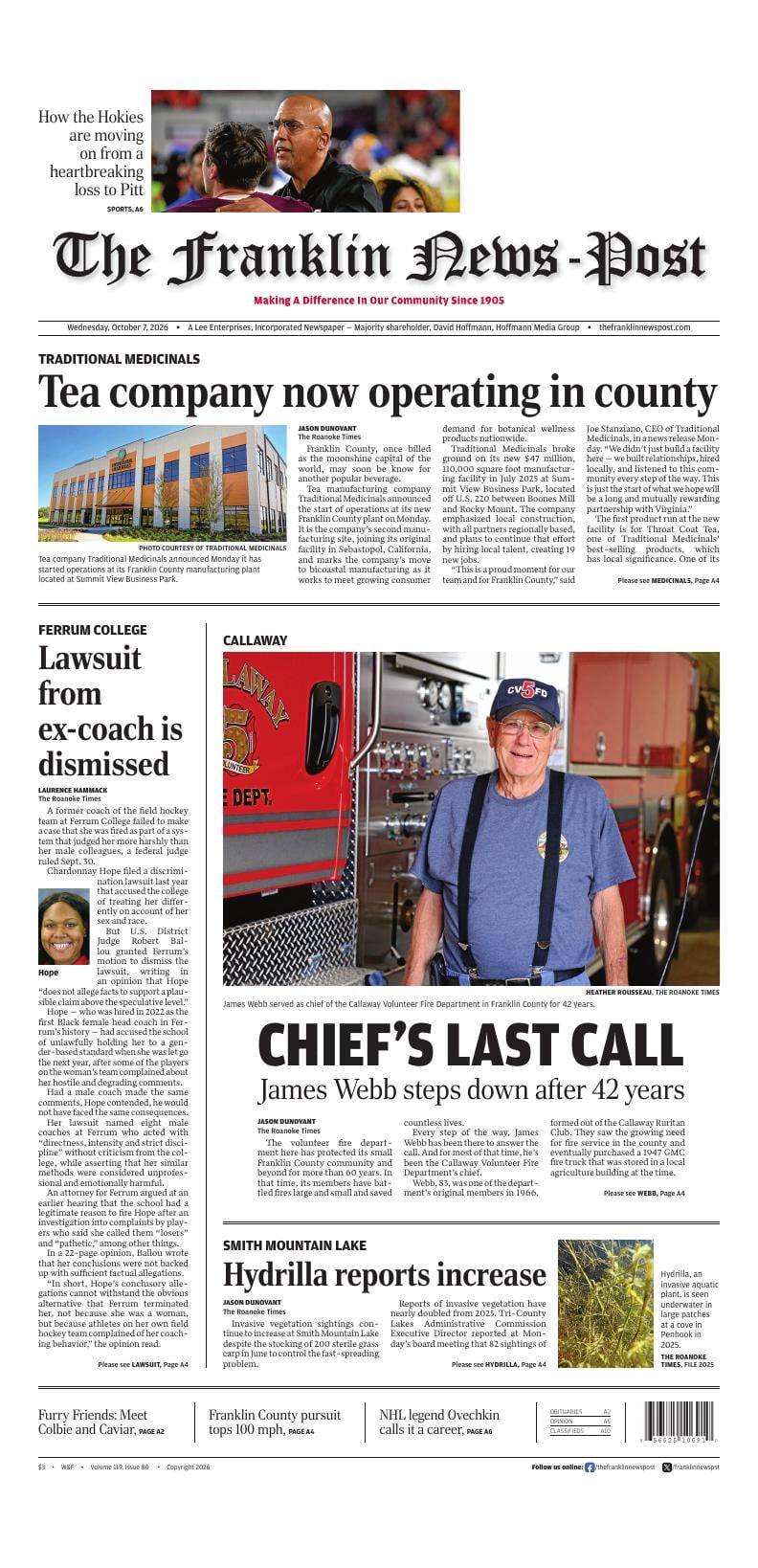
ABINGDON — A settlement has been reached in a class-action lawsuit that claimed inmates held in solitary confinement at Red Onion State Prison endured cruel and unusual punishment.
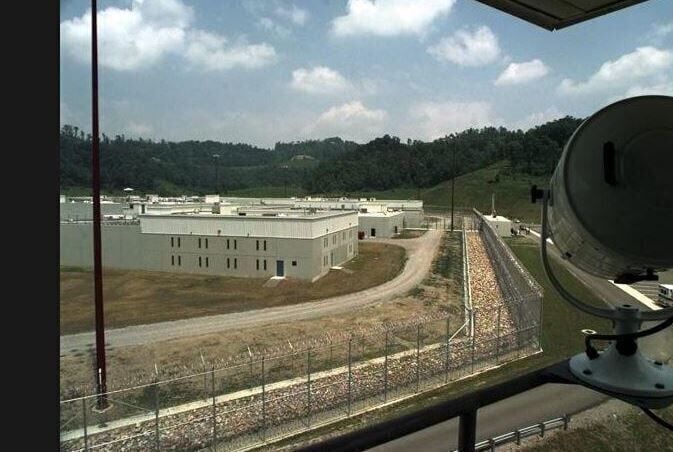
Red Onion State Prison in Wise County
The agreement in principle, reached over the weekend, precludes a three-week trial that was scheduled to begin Monday in U.S. District Court in Abingdon.
In an order dated Saturday, federal Judge James Jones wrote that the trial had been canceled “in light of the proposed settlement of the case.” Parties were instructed to submit a status report within 10 days.
No additional information was released Monday.
The case involved hundreds of inmates at the maximum-security prison in far Southwest Virginia.
Filed in 2019, the sweeping lawsuit claimed that prisoners were subjected to physical abuse, racial harassment, and the denial of adequate food, showers, exercise and mental healthcare during their long-term confinement to cells smaller than a car parking space.
“Under international standards, keeping someone in solitary conditions beyond 15 consecutive days can amount to torture — yet plaintiffs in this case had already spent between two and 24 years in solitary conditions at the time of filing in 2019,” the American Civil Liberties Union of Virginia said in a late September online notice of the trial.
The ACLU, which represents the inmates along with other attorneys, said it was “elated” that the lawsuit has been resolved. “We look forward to announcing the terms of our settlement as soon as they have been finalized,” the group said in a statement.
The Virginia Department of Corrections has maintained in court filings that Red Onion’s so-called Step Down program allows inmates in segregation to re-enter the general population by exhibiting good behavior.
A spokesman for the department did not elaborate on the settlement, saying only that a final version will be presented to Judge Jones in the coming weeks.
Since Red Onion opened as a “supermax” prison in the late 1990s, inmates at the Wise County facility have repeatedly complained of mistreatment. The U.S. Justice Department began an investigation into allegations of excessive force by correctional officers in 2000, but little came of the probe.
The lawsuit had asserted that austere conditions at the prison violated inmates’ Eighth Amendment protection against cruel and unusual punishment. It also alleged that their Fourteenth Amendment right to due process was swept aside by the Step Down program’s vague and confusing system of “malleable jargon” that was designed to keep them where they were.
Reviews of inmate behavior were conducted in cursory visits by prison officials with denial forms already filled out, the lawsuit stated. Inmates were sometimes kept in solitary confinement for exhibiting traits such as apathy, poor grooming and failure to maintain an orderly cell.
Those are “the very symptoms solitary confinement generates,” a federal appeals court wrote in affirming Jones’ earlier decision not to dismiss the lawsuit, as DOC had asked.
Holding someone in isolation for long periods of time — more than a decade for William Thorpe, the lead plaintiff in the case — often has an irreversible effect on prisoners’ mental and physical health, according to a group of psychiatric experts who filed a friend of the court brief backing the lawsuit.
Jones, who was scheduled to hear the case without a jury, would have been asked at the end of testimony and arguments to issue an injunction ending solitary confinement at Red Onion.
When Red Onion and Wallens Ridge State Prison, an identical supermax facility, were opened amid fanfare, prison officials touted them as the final destination for the “worst of the worst” offenders.
But there were never enough truly dangerous criminals to fill the two prisons, each with about 1,200 beds, and critics say inmates were being warehoused there to justify the cost of constructing the facilities.
At the time, rehabilitation seemed to be an afterthought — if at all.
“What are they going to be rehabilitated for, to die gracefully in prison?” then DOC director Ron Angelone said at an opening ceremony for Red Onion. “Let’s face it; they’re here to die in prison.”
Nearly 30 years later, Gov. Abigail Spanberger announced in August the creation of a reentry program at Red Onion, designed with the goal of preparing its inmates for a productive return to society.
The ACLU declined to say Monday if that had anything to do with the settlement.
Laurence Hammack (540) 981-3239