
Norovirus spreads among Appalachian Trail hikers in Virginia
There have been reports of severe sickness reported on the Appalachian Trail, according to a post on social media by Shenandoah National Park.
"Norovirus is the suspected cause and is very contagious," the park said.
The 101-mile section of the Appalachian Trail in Shenandoah National Park is one of the most beginner-friendly sections of the entire trail making it a very popular hiking destination during the busy summer season, but locals will also be on the trails with some of the thousands of thru-hikers that travel from end to end.
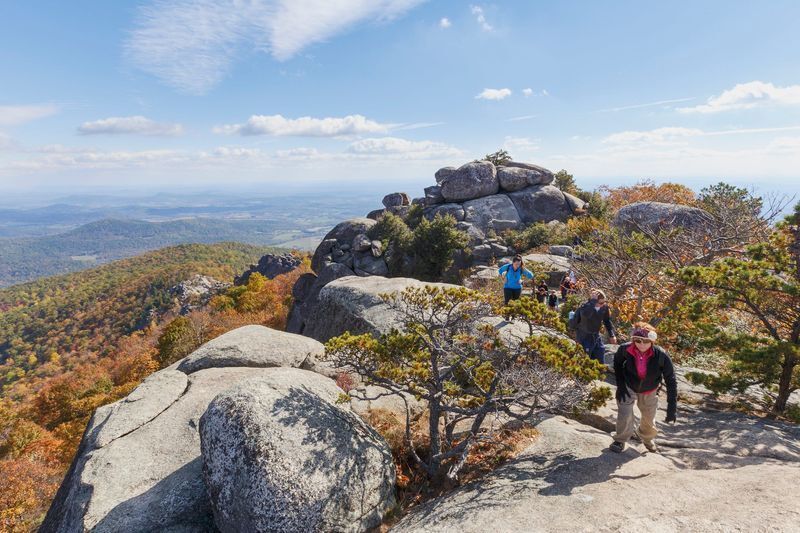
Hikers on the Ridge Trail at Old Rag Mountain in Shenandoah National Park, Virginia.
"Between 400,000 and 500,000 people visit Shenandoah National Park each month during the summer," according to National Parks Traveler. "Summer (June–August) is one of the park’s busiest seasons, drawing roughly 30% of the park's annual 1.5 million-plus visitors."
The Appalachian Trail Conservancy warns hikers of norovirus outbreaks and cautions thru-hikers on the dangers and provides hygiene tips.
The Appalachian Trail section in the park stretches from Rockfish Gap in Waynesboro to US Route 522 in Front Royal.
What is norovirus?
Norovirus infection is caused by a very contagious virus called norovirus. The infection is characterized by sudden onset of nausea, vomiting, diarrhea and stomach cramping, according to the Virginia Department of Health. Although norovirus infection is sometimes called the “stomach flu,” norovirus is not related to the influenza (flu) virus that causes respiratory illness.
Here are recommendations from National Park Service's public health program to help keep yourself and others safe, whether you're on the AT or in the park:
- Treat all water. Boiling water for at least one minute is the most reliable way to kill germs.
- Don't share food, water or other personal items. Norovirus is highly contagious and can be spread on surfaces.
- Properly dispose of waste. Bury waste at least 8 inches deep and 200 feet from water sources, campsites and trails. Wipe down privy handles, bear boxes and other surfaces before using.
- Wash your hands with soap and water for at least 20 seconds. Hand sanitizer does not work well against norovirus.
- Avoid others.
- Avoid other hikers while sick and for two to three days after symptoms subside. Tent alone when possible and get single rooms at hostels/hotels.
- If you have any symptoms, seek medical treatment, especially if you become severely dehydrated or symptoms last for more than a few days.
Who gets norovirus?
Anyone can get sick from norovirus. Because there are many different strains of norovirus, people who have been sick with norovirus can get it more than once. Outbreaks caused by norovirus occur in a variety of places, including healthcare settings, restaurants, schools, daycare centers and cruise ships.
How is norovirus spread?
The virus is found in the stool and vomit of infected people and can spread easily from person to person. People infected with norovirus are most contagious from the time they first start feeling ill through three days after they feel well again, according to the Virginia Department of Health.
People sometimes remain contagious for up to a month after they have recovered, said VDH. People can become infected by eating food or drinking liquids that are contaminated by infected food handlers, touching surfaces or objects contaminated with norovirus and then touching their mouth before handwashing, or having direct contact with another person who is infected and then touching their mouth before handwashing. Therefore, good handwashing is the key to preventing the spread of norovirus, advises VDH.
Monique Calello is a reporter at The News Leader in Staunton covering health in the Shenandoah Valley. Connect with her at mcalello@newsleader.com.
This article originally appeared on Staunton News Leader: Norovirus spreads among hikers Appalachian Trail in Virginia
Reporting by Monique Calello, Staunton News Leader / Staunton News Leader
USA TODAY Network via Reuters Connect
Related

The type of glass you choose to drink wine from has a significant impact on its taste.sses are a good option.