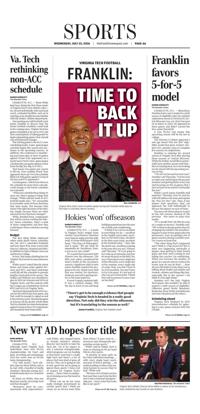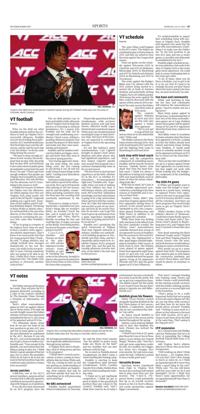

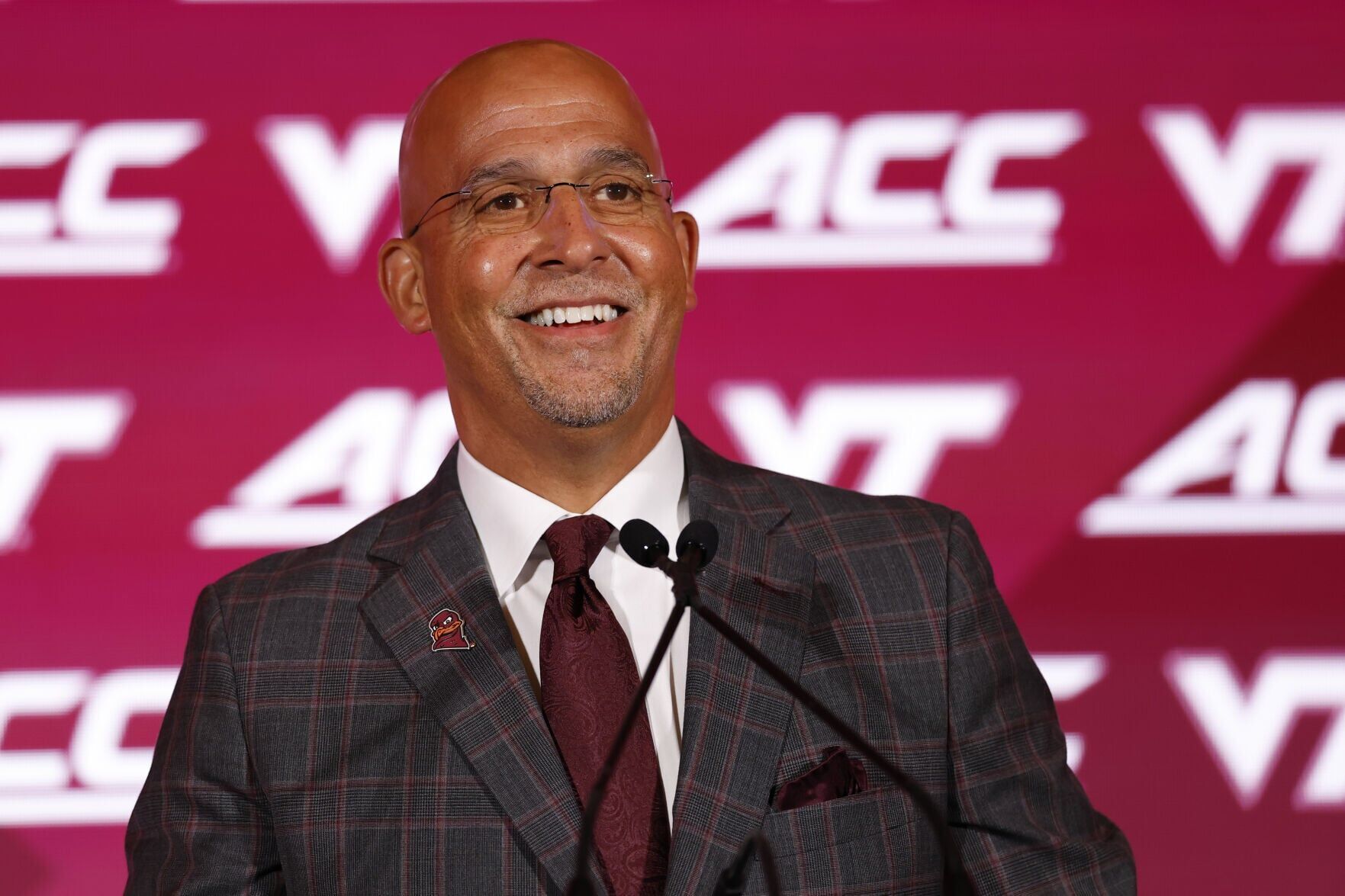
Virginia Tech coach James Franklin speaks during ACC football media days on Thursday in Charlotte, North Carolina.
Virginia Tech coach James Franklin speaks during ACC football media days on Thursday in Charlotte, North Carolina.
Virginia Tech coach James Franklin speaks during ACC football media days on Thursday in Charlotte, North Carolina.
Virginia Tech coach James Franklin speaks during ACC football media days on Thursday in Charlotte, North Carolina.
A state senator is a few weeks away from releasing a report on the Danville Area Humane Society after poring over thousands of documents, which show what he calls disappointing and "completely unacceptable" findings.
Stanley
State Sen. Bill Stanley, R-Franklin County, has taken issue with the local animal shelter since he represented Danville until 2024, when the district shifted.
The renewed effort was spurred when a dog named Eve was put to death, even though a microchip revealed the animal was registered to the Lynchburg Area Humane Society. The humane society blamed the error on communication with the microchip vendor.
A motion last week to remove Paulette Dean, the executive director of the Danville Area Humane Society, from a separate role of humane investigator after a search warrant sought documents linked to forging public records has again ignited an ongoing, intense public campaign for change at the shelter.
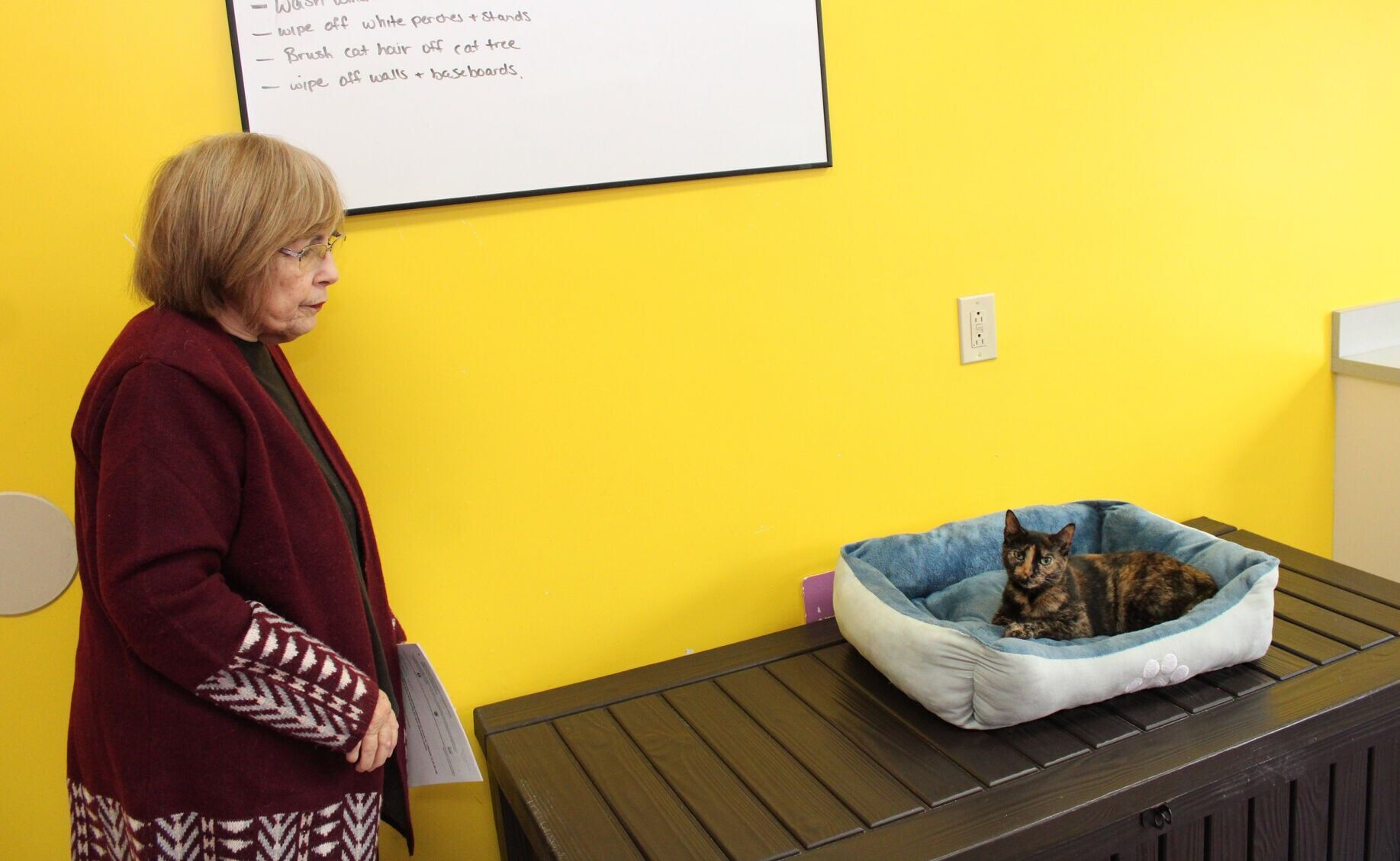
Paulette Dean, the executive director of the Danville Area Humane Society, talks about cats at the shelter on Jan. 30.
Dean resigned from the court-appointed role of humane investigator the same day a motion was filed in Danville Circuit Court to remove her.
Overwhelmingly handled by animal control officers now, at one point humane investigators were the point people for animal abuse cases.
Dean remains leader of the Danville Area Animal Shelter, with the board issuing a statement staunchly defending her and unequivocally backing her.
"I think turning a blind eye to the dire situation and the Danville Humane Society has come to an end," Stanley told the Danville Register & Bee during an interview Saturday afternoon.
Specifically, Stanley was referencing the local government's role in using taxpayer money to fund the society.
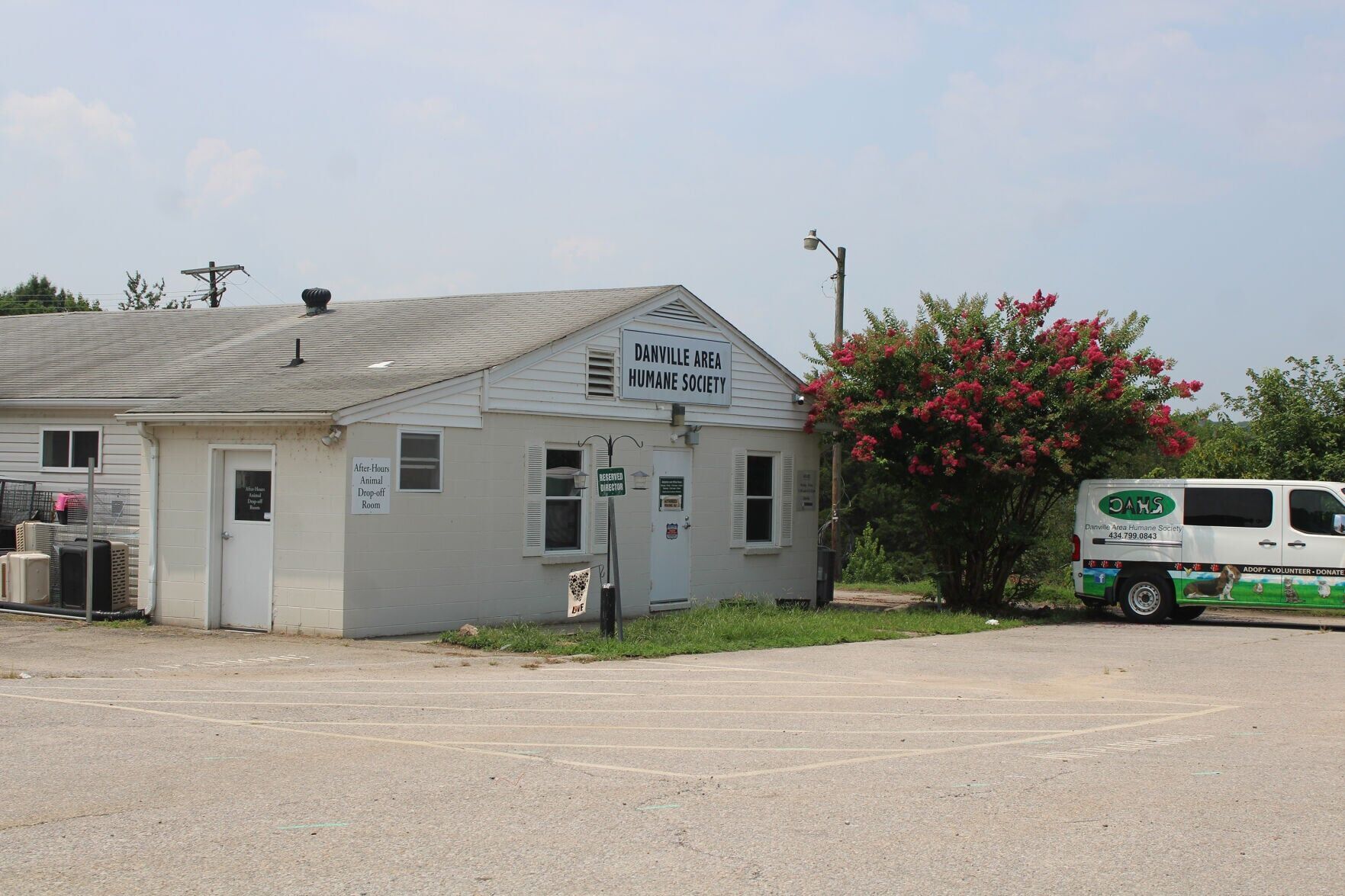
The Danville Area Humane Society van sits outside the facility Saturday afternoon.
The city of Danville gave the Danville Area Humane Society $400,000 in the last fiscal year.
Danville City Manager Ken Larking was away on vacation and did not have details to respond to the latest situation, but Danville Mayor Alonzo Jones issued a statement to the newspaper.
"The board of directors of the Danville Area Humane Society has publicly shared their stance in regards to the leadership and furtherance of Danville Area of Humane Society," Jones told the newspaper via text Saturday.
"I pray as a community that the negative campaigns will cease and together we can all work together for the betterment of all the animals the Danville Area Humane Society...," he said. "We are a community of partnerships, let's partner and resolve and work together."
Stanley said his pleas to government leaders a few years back "fell on deaf ears."
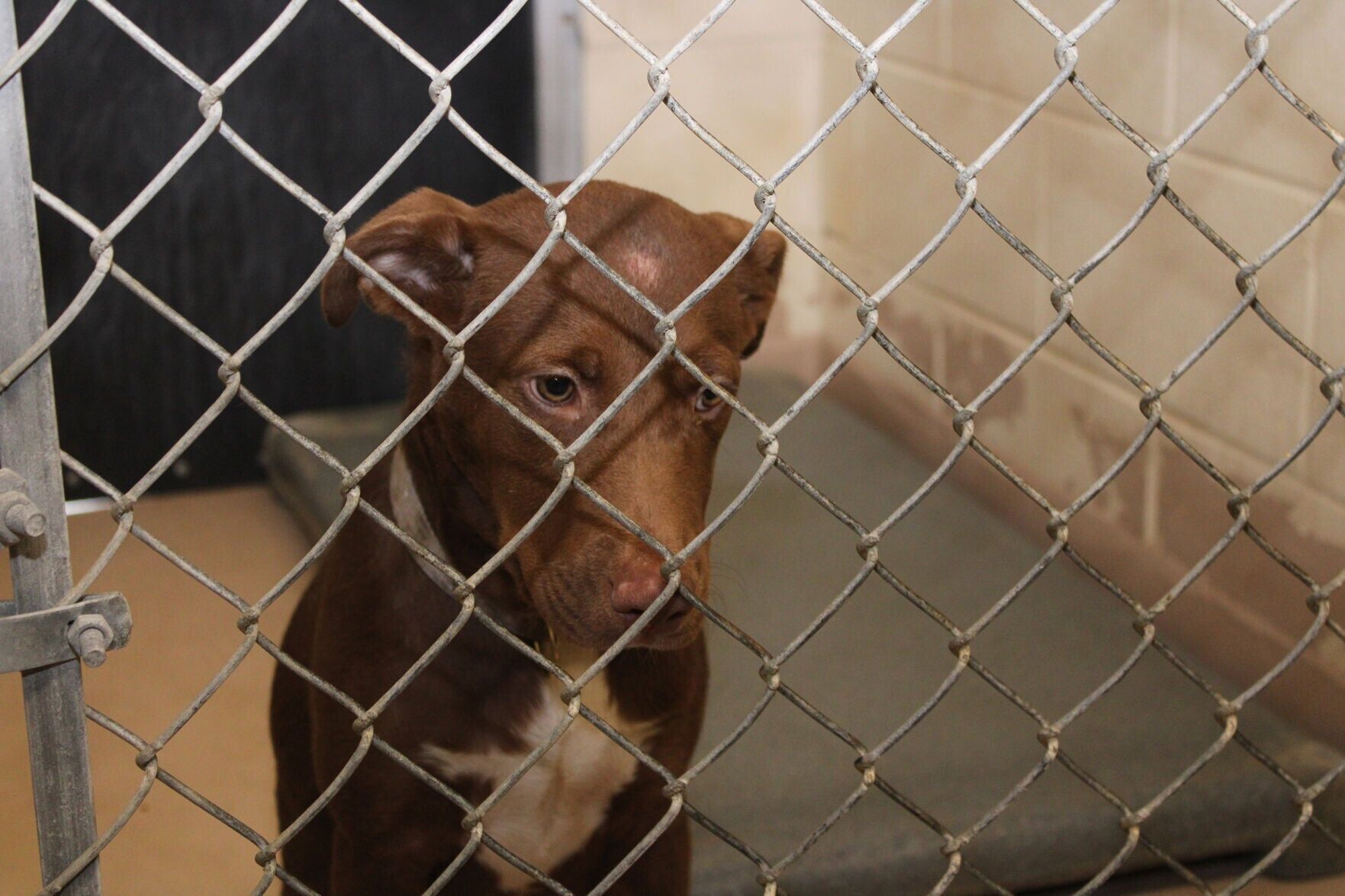
A dog awaits adoption Saturday at the Danville Area Humane Society.
The shelter has long been the center of controversy for its high euthanasia rate.
After the figure reached nearly 80% in 2023, a group formed called Danville Deserves Better, a branch of the national Best Friends Animal Society.
That same year, Best Friends sent an offer of support for the Danville organization, which was rejected.
Last year, the kill rate had dropped to 59%.
There are often quite heated debates on open admission shelters — like Danville — and managed intake.
Dean and supporters of Danville's practice point to not turning away any animal as a reason for the high euthanasia rate. Managed intake usually only admits surrendered animals as space allows.
"Unfortunately, it looks like from these records that eauthanisa is the first word, and they kept moving the goalposts in terms of almost preventing people from adopting other ones, which would have saved an animal that they later euthanized, which was heartbreaking," Stanley said.
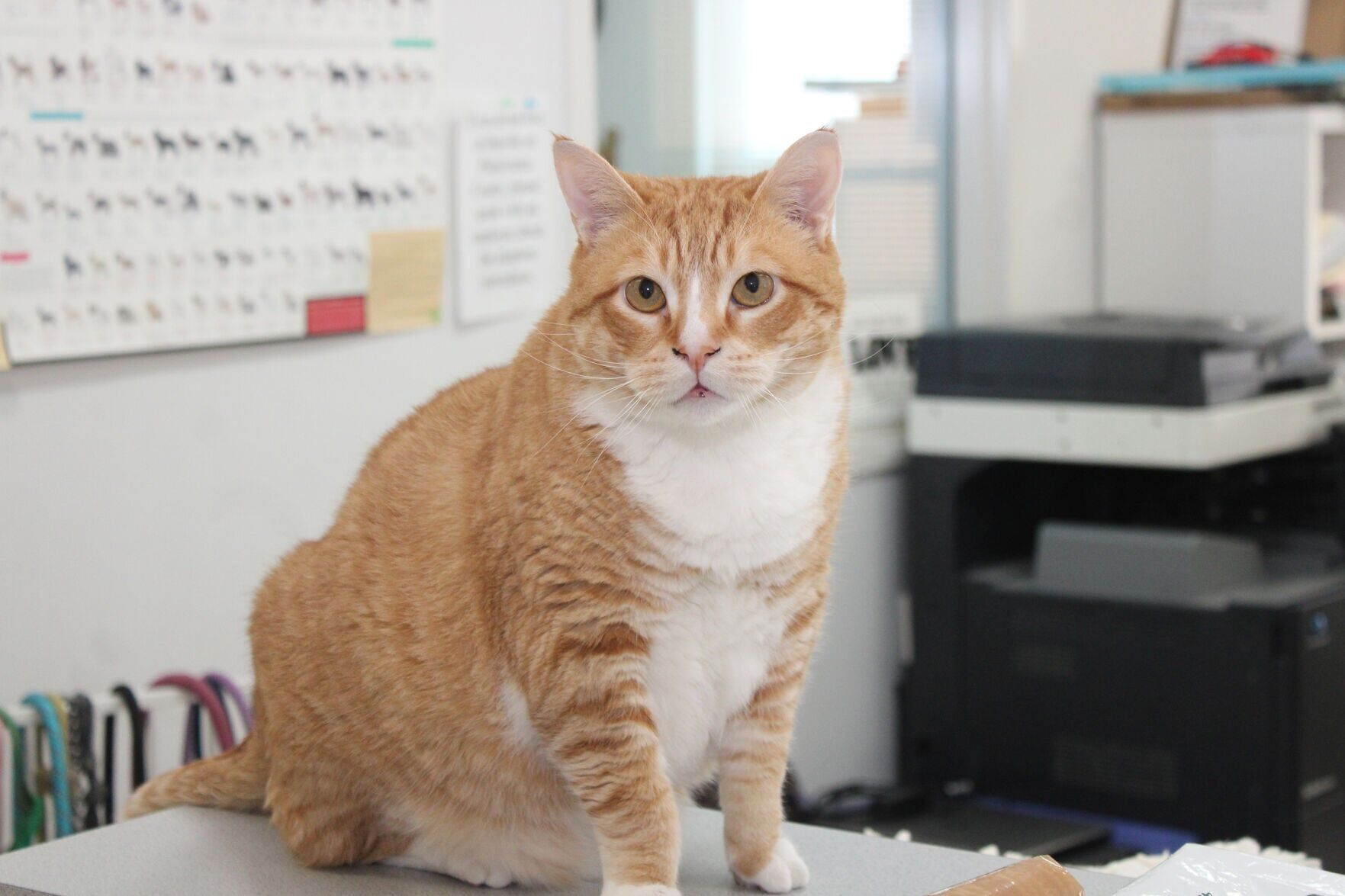
A cat that goes by the name of "Chubs" sits on the welcome counter Saturday at the Danville Area Humane Society.
The latest in a string of controversies at the shelter surrounds record-keeping as a humane investigator.
The court-appointed positions have been phased out in Virginia, and Dean told the newspaper last week that she was believed to be the last humane investigator in the state.
By law, humane investigators must fill out quarterly reports and, in this case, submit them to the Danville Police Department.
Court documents claim Dean did not submit the paperwork for the last five years.
On June 1, Dean told animal control officers "she had to provide the quarterly reports she had forgotten to do," the affidavit states.
Later in the day, she turned over 22 pages of documents for the last five years.
Police noted that all pages were the same, with the exception of the year and quarter being different, something that would be inconsistent with reports filled out separately every three months.
The report also showed that Dean did not conduct investigations or seizures from 2021 to June of this year.
Dean told the newspaper that her role was more of an advisor and hadn't been out in the field "for so long." Court documents show Dean said police had previously advised she didn't need to turn in the reports
The search warrant contends there are "many cases" where Dean filed to seize animals in the Danville General District Court, yet those weren't on the quarterly reports submitted to the police department.
"I think it just demonstrates another symptom of a disease that is pervasive at the Danville Area Humane Society," Stanley told the newspaper Saturday when asked about his stance on the latest legal issue.
"We have a real problem there that needs to be addressed," he continued. "And I think when you see things like that, then that is the tip of the iceberg or something that is much bigger, when you start digging down into it."
Stanley said that a couple of people in Danville had compiled records on the Danville Area Humane Society from Freedom of Information Act requests and brought those to his office in two large boxes.
Stanley and his staff have spent "many hours of investigation," sorting through the 2 ½ years' worth of records.
A report on the findings is about three or four weeks away.
"It's just so illuminous," Stanley told the newspaper. "What I'm reading and what I'm seeing is just not only disappointing but completely unacceptable in my opinion."
The records are all hand-written instead of being in a digital format, Stanley also pointed out.
Currently under peer review, the state senator plans to release it to the state government, including the Virginia Department of Agriculture and Consumer Services, which oversees animal operations.
He's also planning to send it to the National Humane Society.
"I'm a lawyer who's been doing this for 32 years," he said. "I've had very complex civil and criminal cases with a heck of a lot less evidence than I have in this case."
The call for change also must continue to come from the community of Danville and Pittsylvania County, he said.
"Something had to be done, and now is the time," he said Saturday.
He admits it won't happen overnight, but wants to "reimagine" how Danville takes care of the unwanted animals and create policies to "adopt rather than kill policies."
"And that's gonna take some time, but it has to be a community that's ready to stand up and say enough is enough," he said.

Danville Area Humane Society hosts free microchip and vaccine clinic
With the Roanoke region and much of Virginia experiencing increasingly dire drought conditions, Gov. Abigail Spanberger visited a water-intake station at Smith Mountain Lake to urge residents to take voluntary steps to conserve water.
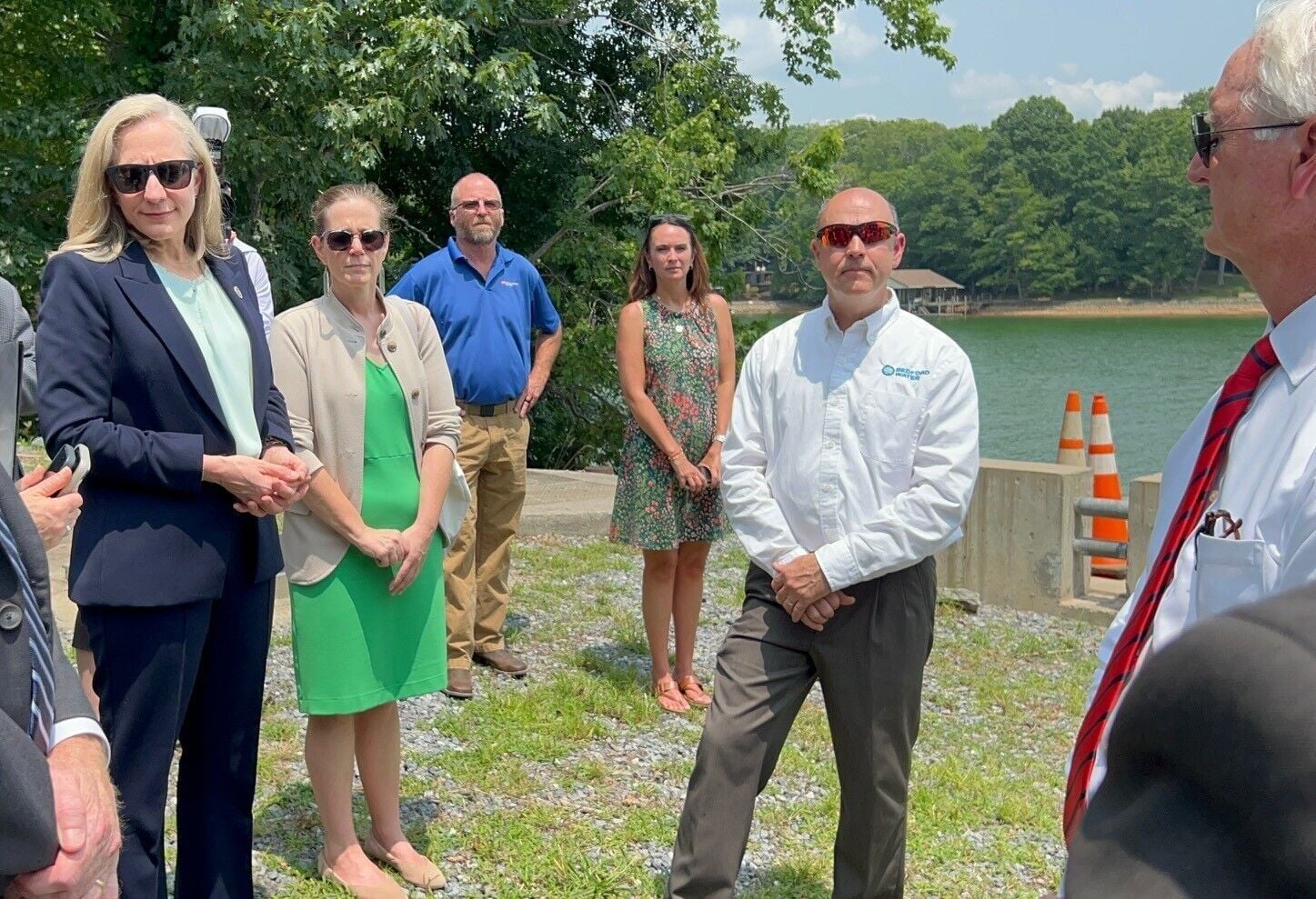
Spanberger met with state and local leaders at Smith Mountain Lake on Thursday to talk about the drought. The group gathered on the depleted lake's shoreline, a short distance from the drinking water intake site connected to the nearby Smith Mountain Lake Water Treatment Facility, which provides drinking water for thousands of homes and businesses in Bedford and Franklin counties.
"This is the hardest hit region in Virginia," Spanberger said of the Roanoke region.
Gov. Abigail Spanberger, left, met with state and local leaders at Smith Mountain Lake on Thursday to address the worsening drought conditions in the region. The shoreline of the lake, which is down more than 5 feet from normal levels, is visible in the background.
Most of Virginia remains in a drought warning or watch status while the Roanoke Drought Evaluation Region was given emergency status on July 7. The region includes Bedford, Campbell, Charlotte, Franklin, Halifax, Henry, Mecklenburg, Patrick, Pittsylvania and Roanoke counties, and the cities of Danville, Martinsville, Roanoke and Salem.
"Last week the Drought Monitoring Task Force recommended emergency status for this region and we are continuing to evaluate the impacts and how we can contend with this historic drought in the coming days and weeks," Spanberger said.
The Roanoke region has received only 57% of the rain usually expected by this time of year. Smith Mountain Lake, a hub for recreation as well as drinking water, is currently more than five feet below what is considered full pond.
Spanberger said one of the central goals of Thursday's news conference was to make sure the drought conditions are at the forefront of everyone's mind. She encouraged Virginians to take small steps, such as turning off the tap when brushing their teeth and reducing lawn and garden maintenance to every other day.
"We are asking all Virginians to do their part in preserving our water supply right now by taking common sense water conservation steps," Spanberger said. "Millions of little choices across Virginia can add up and can have a big, big impact."
David Bulova, Virginia's Secretary of Natural and Historic Resources, was one of several speakers on Thursday in addition to Spanberger. He said droughts are natural phenomena that occur every 20 or so years across Virginia.
The most recent drought of a similar magnitude occurred in 2002-03. Bulova said that sustained rain ended that drought and it would also be needed to end this one.
"A single summer squall or a pop up thunder shower, unfortunately, is not gonna get us out of this drought," Bulova said. "It is going to require additional rain over a long period of time, along with the conservation measures that the governor has outlined."
Bulova said one benefit from the previous drought in 2003 was Virginia adopted legislation requiring local and regional water supply plans. Those plans are being updated now by state code. Another benefit was the development of a drought response and assessment plan that established a drought monitoring task force that is currently meeting weekly.
State Sen. Mark Peake, R-Lynchburg, spoke briefly, agreeing with the statements from Spanberger. He said water is a precious resource that is in short supply right now.
"If we voluntarily take water-saving measures, then the government won't have to step in," Peake said.
Spanberger said Thursday she does not want to put an executive order in place requiring mandatory practices to conserve water. While she said "everything is on the table" when it comes water conservation, they are working toward needing none of those options.
"If people continue to employ and maybe up some of their voluntary measures, then we avoid every having to get into that mandatory space," Spanberger said.
Jason Dunovant (540) 981-3324

Gov. Abigail Spanberger met with state and local leaders at Smith Mountain Lake on Thursday. She encouraged Virginians to conserve water as mu…
Appalachian Power Co. is taking unprecedented steps to maintain the water level of Smith Mountain Lake as it continues to drop due to the ongoing drought. Starting this week, water released from the project is being reduced for a third time.
The reduction is part of Appalachian Power's water management plan, which coordinates the steps that must be taken to maintain lake levels while maintaining and supporting ecology and recreational activities downstream. The company has already implemented two "triggers" of its plan to reduce water released from the project as the lake level hit critical points.
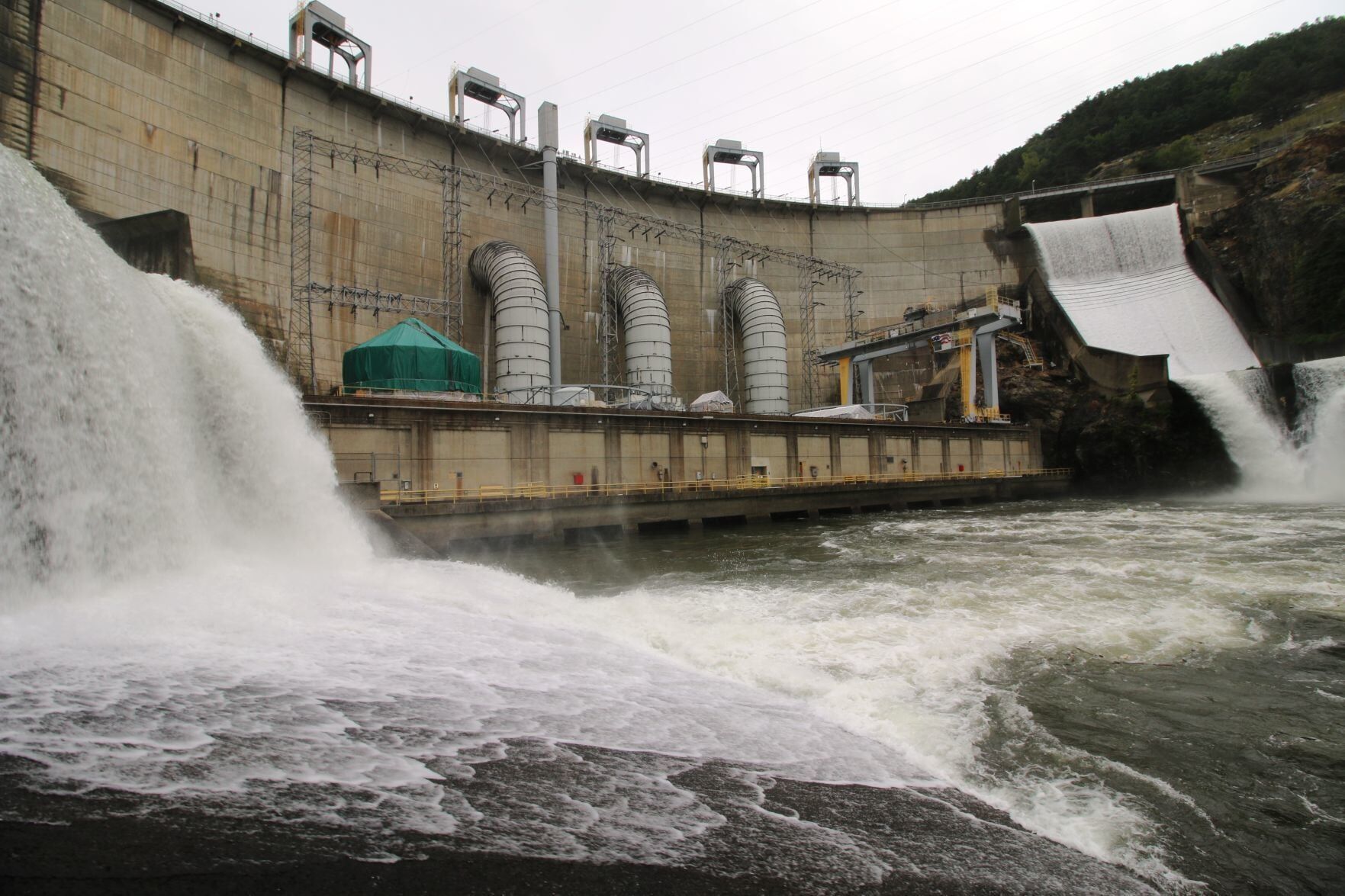
Water from Smith Mountain Dam spills into Leesville Lake.
The first trigger was hit April 27 to reduce water released under the minimum flow required by 15%. The second trigger was hit May 11, further reducing the water release. With the third trigger set to be implemented July 22, water released is reduced by as much as 30% below the minimum required.
A variance was approved by the Virginia Department of Environmental Quality to allow Appalachian Power to implement the third trigger before the Sept. 30 date outlined in the water management plan, according to Appalachian Power.
"The decision to proactively request a variance and implement the trigger early was made after multiple meetings with the Virginia Department of Environmental Quality and uses of predictive models, forecasting and other factors," Appalachian Power said in an email last week to The Roanoke Times.
Even with the first two triggers in place, Smith Mountain Lake has continued to see a drop in the lake level. While it has improved somewhat due to recent rains, it is still more than five feet below full pond, which is set at 795 feet.
With the lake level at a near record low for much of the summer, local businesses have felt some impact due to a slight drop in tourism as well as the impact from lake residents who are unable to get their boats into the water. That was apparent with less traffic on the lake even during the traditionally busy Fourth of July weekend.
The full impact on businesses at Smith Mountain Lake may not be known for several months.
The Smith Mountain Project operated by Appalachian Power includes Smith Mountain and Leesville lakes as well as Smith Mountain and Leesville dams. Water that flows into Smith Mountain Lake through the Roanoke and Blackwater rivers is released through the Smith Mountain Dam into Leesville Lake to produce electricity.
Appalachian Power is able to pump water back into Smith Mountain Lake from Leesville Lake using the dam. As much as two feet of water can be pumped out of Smith Mountain Lake before Leesville Lake becomes full at 613 feet. Once Leesville Lake is full, water must be pumped back into Smith Mountain Lake or released at the Leesville Dam.
A minimum outflow into the Roanoke River is required based on Appalachian Power's water management plan approved by the Federal Energy Regulatory Commission. The outflow is required to maintain wildlife habitats and recreation downstream.
According to Appalachian Power, the two triggers implemented earlier this year have helped to conserve approximately two feet of water elevation at Smith Mountain Lake. With the third trigger in place, the company expects more to be conserved.
"Approximately half a foot overall is estimated based on projected rainfall within the current models. The variance will allow an overall decrease in releases from Leesville much sooner than the water management plan would otherwise permit. It is important to note that we still have biologic minimum flows that must be adhered to downstream of the project," Appalachian Power said.
Appalachian Power added that each of the triggers will remain in place until Smith Mountain Lake reaches full pond at 795 feet.
Jason Dunovant (540) 981-3324
Gov. Abigail Spanberger met with state and local leaders at Smith Mountain Lake on Thursday. She encouraged Virginians to conserve water as mu…
Virginia’s closely watched off-year elections have long made the state a national political bellwether, but lawmakers are considering moving them to even-numbered years alongside federal races, moving the gubernatorial election alongside either presidential elections or midterms.
The hope is that not having elections every year would increase voter turnout.
At a Thursday meeting, a Virginia General Assembly panel narrowed down its options on what it might propose to the full legislature if the eight-member panel votes to move forward at its August meeting.
One option would put the governor’s race on the federal midterm ballot and Virginia Senate races on the presidential ballot. The other would hold gubernatorial elections during presidential years and Senate elections during federal midterms. Under either option, the House of Delegates would be elected every two years alongside federal races.
Transitioning the state's elections schedule would require amending the constitution, a multi-year process that the public would get to vote on.
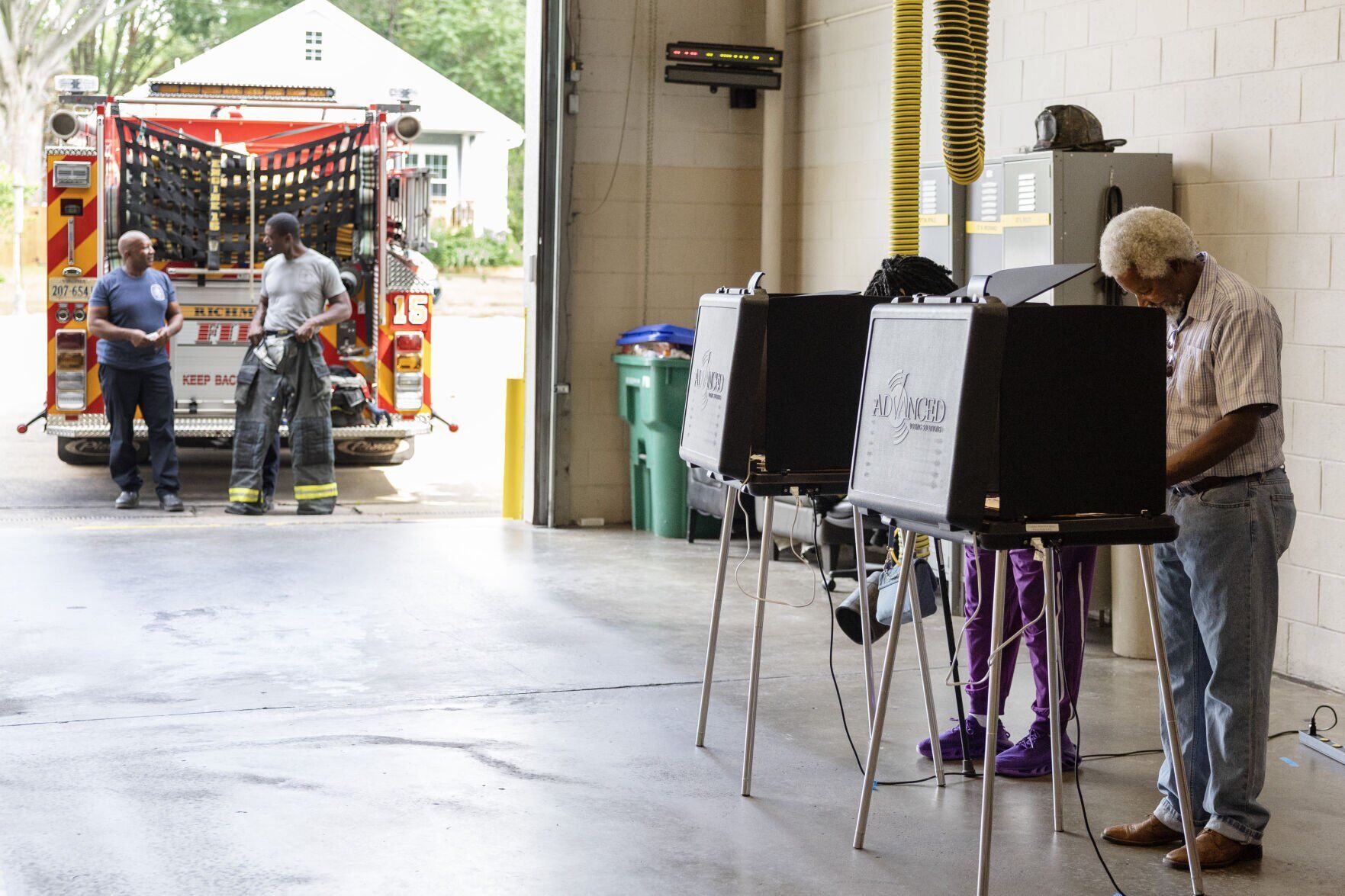
Voters in Richmond cast ballots in 2025. Virginia lawmakers are considering shifting local election timelines to align with federal races.
Researchers from the University of Virginia’s Karsh Institute of Democracy have been putting together research on the issue for the panel. In a presentation on Thursday, they told lawmakers that moving elections onto the federal calendar would significantly increase turnout, particularly among younger, lower-income and minority voters who are less likely to participate in off-year elections.
About half of Virginia’s registered voters cast ballots in last year’s election for governor, while about 70% voted the year prior in the presidential election.
Virginia is one of only five states that hold gubernatorial elections in odd-numbered years, separate from presidential and congressional elections. The others are Kentucky, Louisiana, Mississippi and New Jersey.
The researchers assisting the panel conducted a survey of 1,000 Virginia residents, finding that 57% supported consolidating state and federal elections, while 29% were neutral and 14% opposed the idea. Support was comparable among Republicans and Democrats and was especially high among adults younger than 50, full-time workers and people with children at home.
Forty-two percent of respondents said consolidation would make them more likely to vote in state elections. Fifty-four percent said it would make no difference, while 4% said it would make them less likely to vote.
Researchers said the evidence doesn't indicate that consolidating elections would benefit either political party.
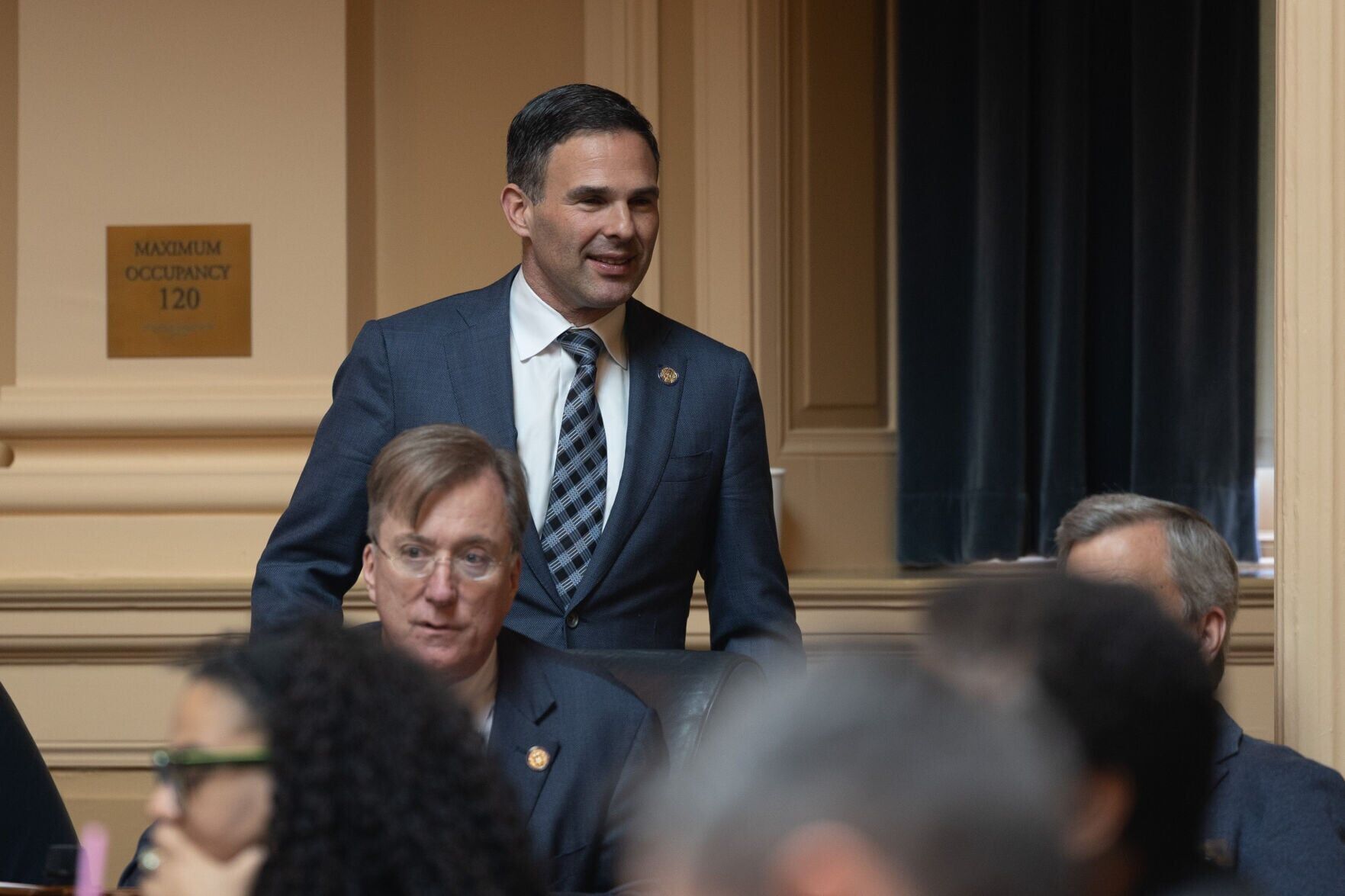
Del. Dan Helmer, D-Fairfax at a special session in Richmond, Va., on Thursday, April 23, 2026.
Recent research suggests that off-cycle local elections help limit the degree to which those elections are nationalized. Del. Dan Helmer, D-Fairfax, pushed back on that idea, saying Virginia’s elections have been nationalized for years.
"These are currently nationalized races, and in fact, probably further nationalized by the fact that they happen on odd years in which national money flows in to both sides," Helmer said at the Thursday meeting.
The transition to consolidating elections would require temporarily shortening or extending some officials’ terms.
The panel will meet again this week to review the constitutional and legal language necessary to make the change, before deciding at a meeting in August whether to recommend them to the full General Assembly next session.
Anna Bryson (804) 649-6922

Richmond’s music scene, Plans for Lumpkin’s Slave Jail Pavilion; Top 5