FINCASTLE — A lawsuit contending Botetourt County violated the Freedom of Information Act in the process of approving the contract for the Google data center campus will stretch into next week, after testimony and closing arguments did not immediately lead to a ruling from the judge during Monday’s hearing.
Instead, Judge Michael Doucette gave legal teams until Friday to submit briefs outlining their legal positions, as well as transcripts of their closing arguments.
His reasoning was that he has a “fundamental difference of interpretation” with the county over when information must be shared in a public meeting to be compliant with the Virginia Freedom of Information Act.
Throughout the case, lawyers for the county and Google subsidiary Helio Capital have argued that the board of supervisors’ vague motion to vote on the contract did not violate the act, because the county gave a public presentation sharing details of the project hours later.
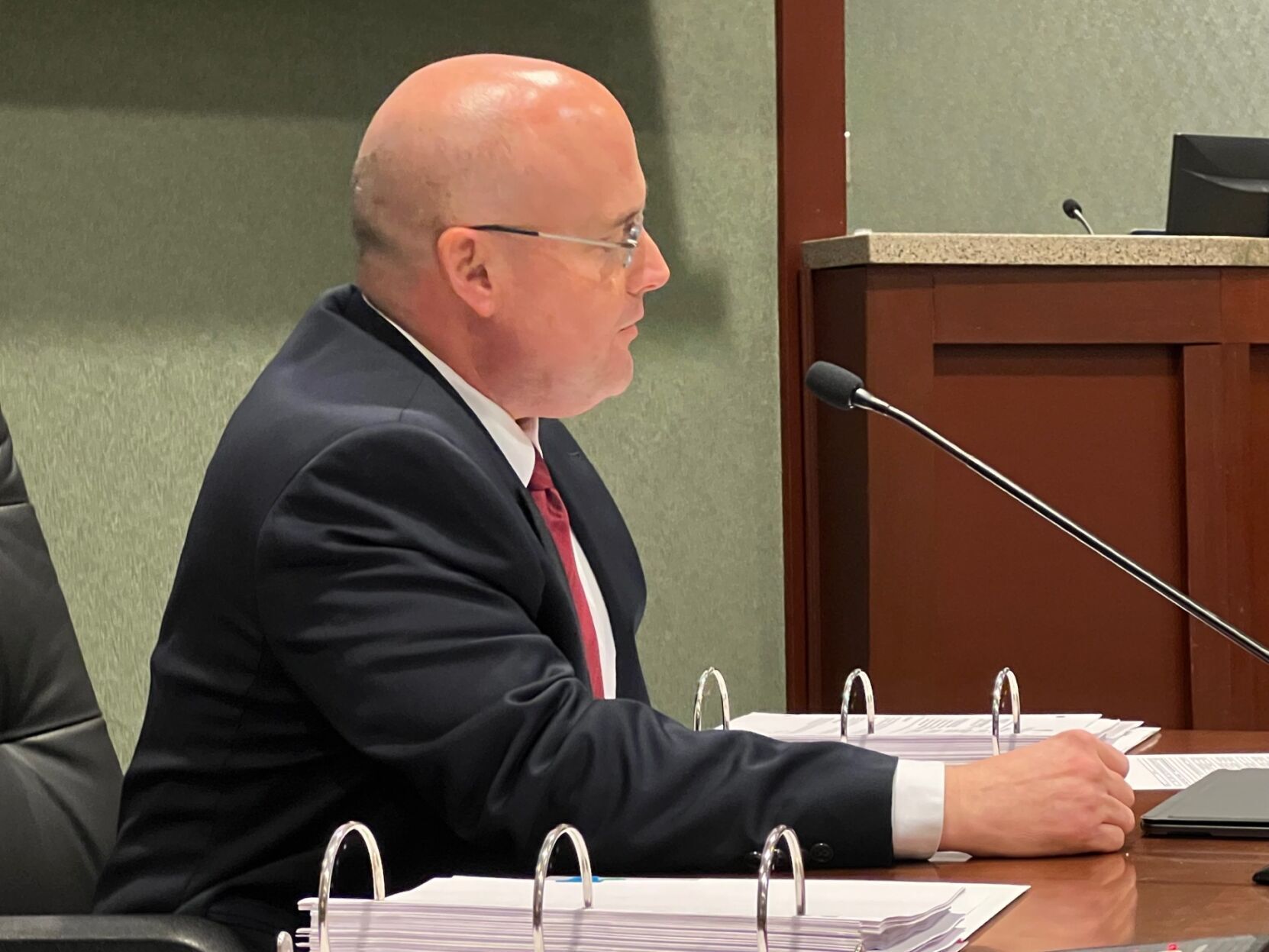
Although the statute says that the substance of a resolution must be reasonably identified, it only calls for this to be done in an open meeting, not specifically during the motion, said Julian Harf, who is representing the county, board of supervisors and economic development authority.
But John Fishwick, who represents petitioner Robert Dallas, argued that the presentation was not clearly linked to the earlier vote. And Doucette himself pointed out during the hearing that by the time the presentation was given, “the deal was already done.”
“Money changed hands,” he said. “And this is the first the public learns of it.”
Doucette said he would try to look at the briefs Nov. 23, but he warned that the upcoming holiday could complicate timing.
When and where was information available?
The lawsuit contends that Google subsidiary Helio Capital and the county government, the board of supervisors and the economic development authority violated the Virginia Freedom of Information Act during two votes leading to the approval of the performance agreement.
First, it alleges the board did not adequately describe that it would be discussing a performance agreement or data center when it moved into a closed session meeting on June 24, 2025. It then asserts that when the board voted on the contract hours later in a public meeting, it did not reasonably identify the contents of the agreement.
Arguments during Monday’s hearing repeated much of what was said during the hearing Nov. 10, when Doucette rejected requests by Helio and the county to dismiss the case. Helio and the county’s pleas in bar — which could immediately end the case — were taken under advisement and will be ruled on at the end of the hearing.
Harf said the board’s motion to move into closed session met the requirements set by the act and that divulging any additional information would have defeated the point of having a private meeting.
He also argued that the petitioner has not proved that the contract was adopted in the closed session first. Fishwick said it was clear from the speed of the public vote that the board had.
“That’s obviously common sense,” he said.
Along with pointing to the presentation, Harf and Helio Capital lawyer Graham Bryant indicated that information about the project was available online in the days after the vote. During his testimony, county Director of Communications Brent Watts said that copies of the performance agreement were distributed through Freedom of Information Requests from the media.
“There was nothing secretive about Google coming to Botetourt,” Harf said.
But the agreement was not publicly posted online until November 2025, Fishwick said, and was not distributed during the meeting.
The lawsuit’s timing
The timing of Dallas’ involvement was also a focal point during Monday’s hearing. Dallas said during his testimony that he did not attend the June 2025 meeting and first watched a video of it this October.
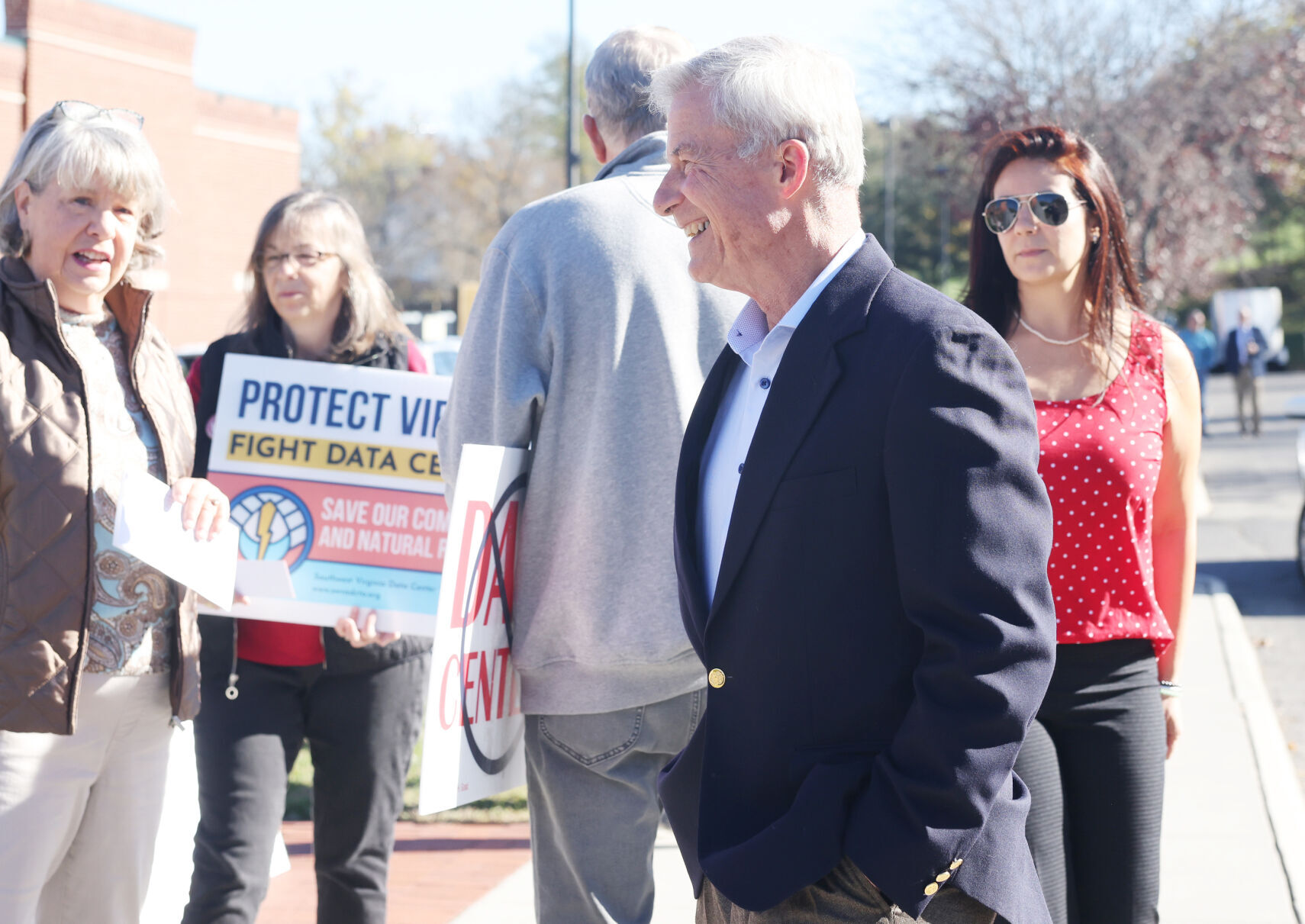
He was unaware that the Freedom of Information Act may have been violated or that there was reason for a lawsuit until he met with local data center opponents Tim Dooley and Kathryn Hatam on Sept. 18. He said about five people volunteered to pursue the lawsuit and that he was selected because of his home’s proximity to the data center campus site. Dooley’s law firm is part of Dallas’ legal team.
Fishwick said there was no statute of limitations, but Harf called it ironic that there was any issue with the gap of a few hours between the public vote and the presentation, when Dallas’ lawsuit was filed 16 months after the vote. In the time since, work on the project has progressed and some of the money involved in the contract has been spent.
This is part of the reasoning Harf and Bryant presented as to why the remedies Dallas’ lawsuit is seeking are inappropriate. Those remedies include, among other things, nullifying the performance agreement and rescinding the actions under the agreement.
Bryant said there was no precedent for unwinding contracts with third parties as a remedy for a Freedom of Information Act violation. But Fishwick argued that if the vote does violate the act, that inherently makes the contract ineffective. As for the money already spent, Google and the county will need to deal with it, he said.
"They've made this bed, they've gotta lie in it," he said.