
Virginia's sexual and domestic violence agencies are struggling to meet demand

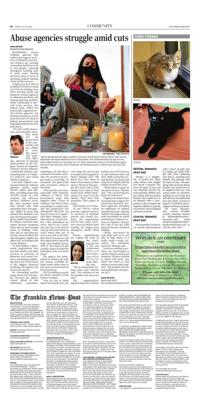
YWCA’s Natalie Buchen lights candles at the front of the lectern during YWCA’s 25th annual Remember My Name Memorial Event in Richmond. The nondenominational vigil service, held in Monroe Park on Thursday, Oct. 22, 2020, remembers those in the Richmond region who have lost their lives due to domestic and intimate partner violence over the past two decades.
RICHMOND — Across Virginia, agencies that shelter and support survivors of domestic and sexual violence are carrying counseling waitlists of up to 100 people, reducing emergency housing and, in some cases, turning survivors away as years of declining federal funding strain victim services.
Virginia has lost 54% of its federal Victims of Crime Act (VOCA) funding since 2020, forcing sexual and domestic violence agencies to eliminate positions and manage growing waitlists while continuing to provide crisis services. The federal fund, which has historically supported victim service agencies, has declined sharply in recent years because of a drop in federal prosecutions and large legal settlements that feed into it.
"It's this really precarious and untenable situation where you see greater need in the community and less ability to actually serve," said Jonathan Yglesias, director of mission advancement at the Virginia Sexual & Domestic Violence Action Alliance, a statewide coalition representing most of Virginia's domestic and sexual violence agencies.
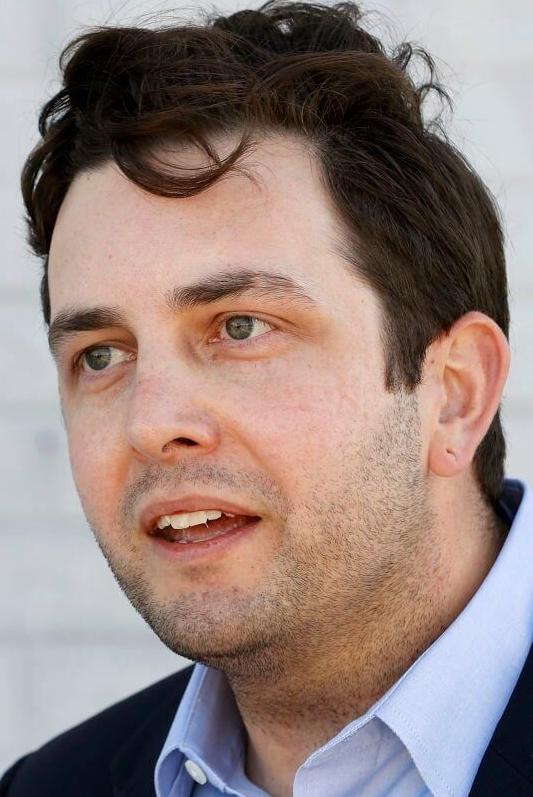
Yglesias
Last year, Virginia's sexual and domestic violence agencies served nearly 28,000 adults and children, providing more than 309,000 hours of crisis response and advocacy services. Hotlines across the state received more than 70,000 calls, texts and online chats. But agencies' ability to meet that demand has declined. Last year, 664 requests for emergency shelter from domestic violence survivors went unmet because programs either did not have enough room or funding. Since 2021, face-to-face advocacy services have declined 13% and emergency shelter has fallen 16%, according to the Action Alliance.
At Safe Harbor, a Richmond organization that provides shelter and other services to survivors of domestic and sexual violence and human trafficking, the cut in VOCA funds is the biggest financial challenge the agency has faced in its history.
Its counseling waitlist ranges from 25 to 100 people because the agency cannot afford to hire additional counselors. Sometimes, by the time a counselor becomes available, the survivor is no longer ready to seek help. At one point, the agency had nine counselors. Today, it has three.
"The way the cycle runs, especially with domestic violence, is there's that honeymoon stage that happens after a bout of violence, and that's when everything is usually rosy, and the perpetrator has apologized, and they say they'll never do it again," said Mary Maupai, executive director of Safe Harbor. "The individuals we serve, they're in a crisis, and you have to be able to step up and meet them in crisis where they are. If you're not able to do that, then that crisis passes, and that opportunity to provide hope and healing passes with it. You hope you get another chance to help that individual, but you never know."
The agency has maintained its shelters, but with less money available for hotel rooms when they're full, some survivors have to be turned away.
VOCA funding accounts for about a quarter of Safe Harbor's budget.
"You try not to think about the people that you can't help, but you've got to wonder what happens to them," Maupai said. "We know for a fact some of them return home to their abuser. We know that people who have come to this shelter have told us they would have killed themselves if it wasn't for the shelter. They were that desperate, that empty of hope."
Safe Harbor isn't alone.
At the YWCA, which provides support services to survivors of intimate partner and sexual violence, the organization had to turn some survivors away last March after funding for longer-term emergency shelter dried up.
Private philanthropy has helped fill some of the funding gap, but it has not eliminated difficult decisions, Executive Director Rupa Murthy said.

Murthy
"We're seeing more violence than ever," Murthy said. "We continue to see the numbers rise year over year."
The organization's regional domestic violence hotline saw a 25% increase in calls between 2024 and 2025, while counselors carried heavier caseloads and volunteers helped staff the hotline around the clock.
"When there is a gap, we are able to do less," Murthy said. "We can provide less financial assistance."
Virginia lawmakers have increased state support for sexual and domestic violence agencies, including an additional $3 million annually this year. Yglesias called it the largest annual state investment in sexual and domestic violence services in Virginia's history, but said it has not fully replaced the loss of federal funding.
"When (survivors) do seek help and we're not able to help them, it is really, really a tragic situation for everybody involved," Maupai said.
Survivors seeking assistance are encouraged to call the Virginia sexual and domestic violence hotline at (800) 838-8238, text (804) 793-9999 or chat online at www.vadata.org/chat. The hotlines are free and confidential, and operate 24/7.
Anna Bryson (804) 649-6922