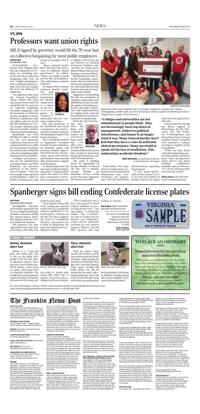


Virginia Tech, UVa faculty say union rights could shield campuses from politicians
BLACKSBURG — Professors from Virginia Tech and the University of Virginia say including university faculty in collective bargaining bills now on Gov. Abigail Spanberger’s desk could help shield college curricula and campus life from the influence of politicians.
Two identical bills from the General Assembly’s House (House Bill 1263) and Senate (Senate Bill 378) would lift the 70-year ban on collective bargaining for public employees, with the exception of university faculty, graduate workers, librarians, admissions staff and others who do not fit the bill’s definition of “service worker,” which includes jobs such as janitor, window cleaner and groundskeeper.
Spanberger has until Monday to sign or amend the bill, and university employees from across the commonwealth have called for the governor to remove the carveout that withholds collective bargaining rights from professors and others.
“Colleges and universities are not administered as people think,” said Walt Heinecke, an associate professor at the University of Virginia. “They are increasingly more top down in management, subject to political interference, and tenure is no longer what it was.
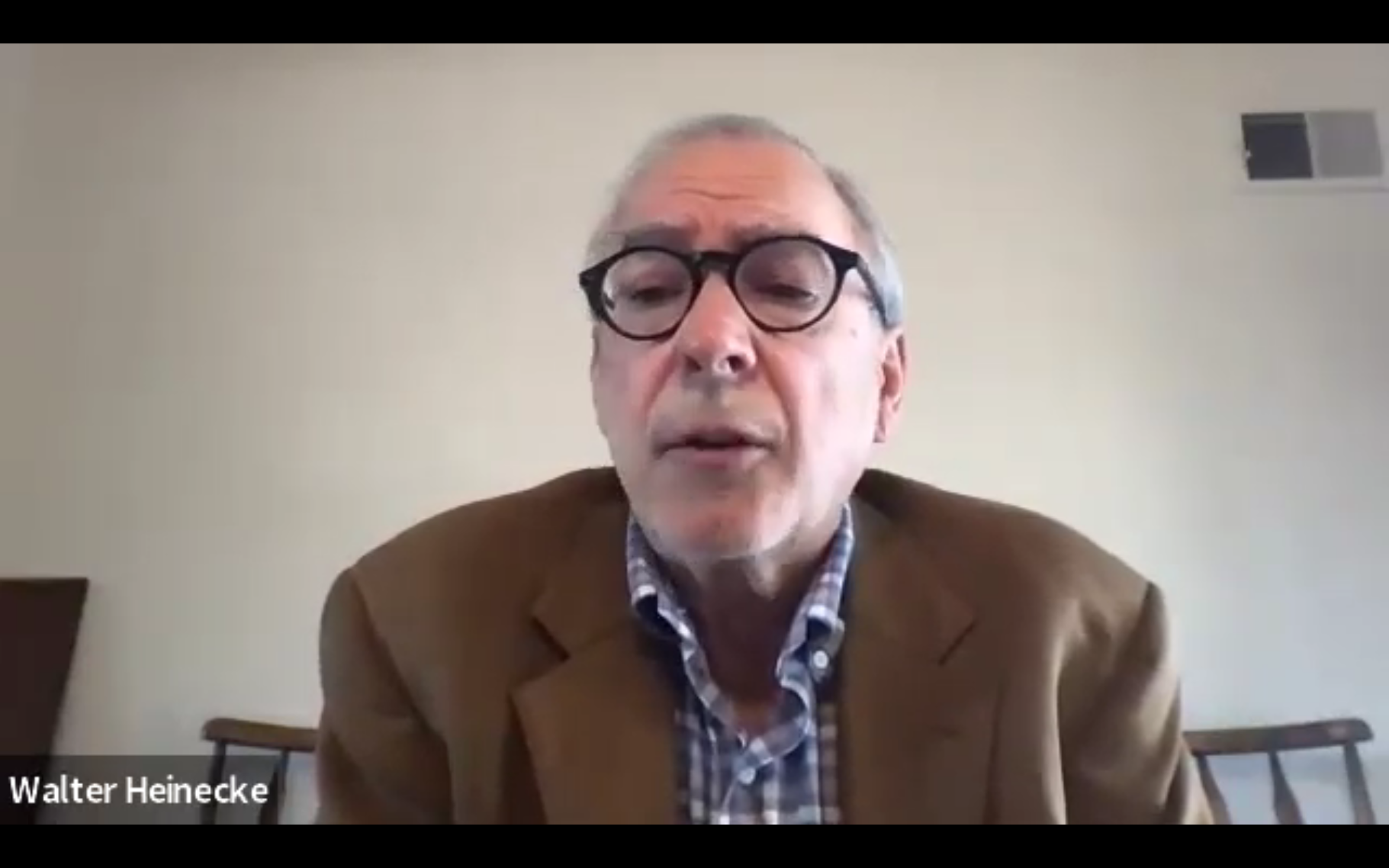
Walt Heinecke, an associate professor at the University of Virginia, speaks Wednesday during an online news conference.
“Many tenured faculty don't feel that they have a voice in authentic shared governance,” he added. “Many are afraid to speak out for fear of retaliation. This undermines academic freedom.”
At Virginia Tech, assistant professor Brandy Faulkner said collective bargaining for faculty would serve as a check on the centralized power in Virginia’s universities that has “created a culture of fear.”
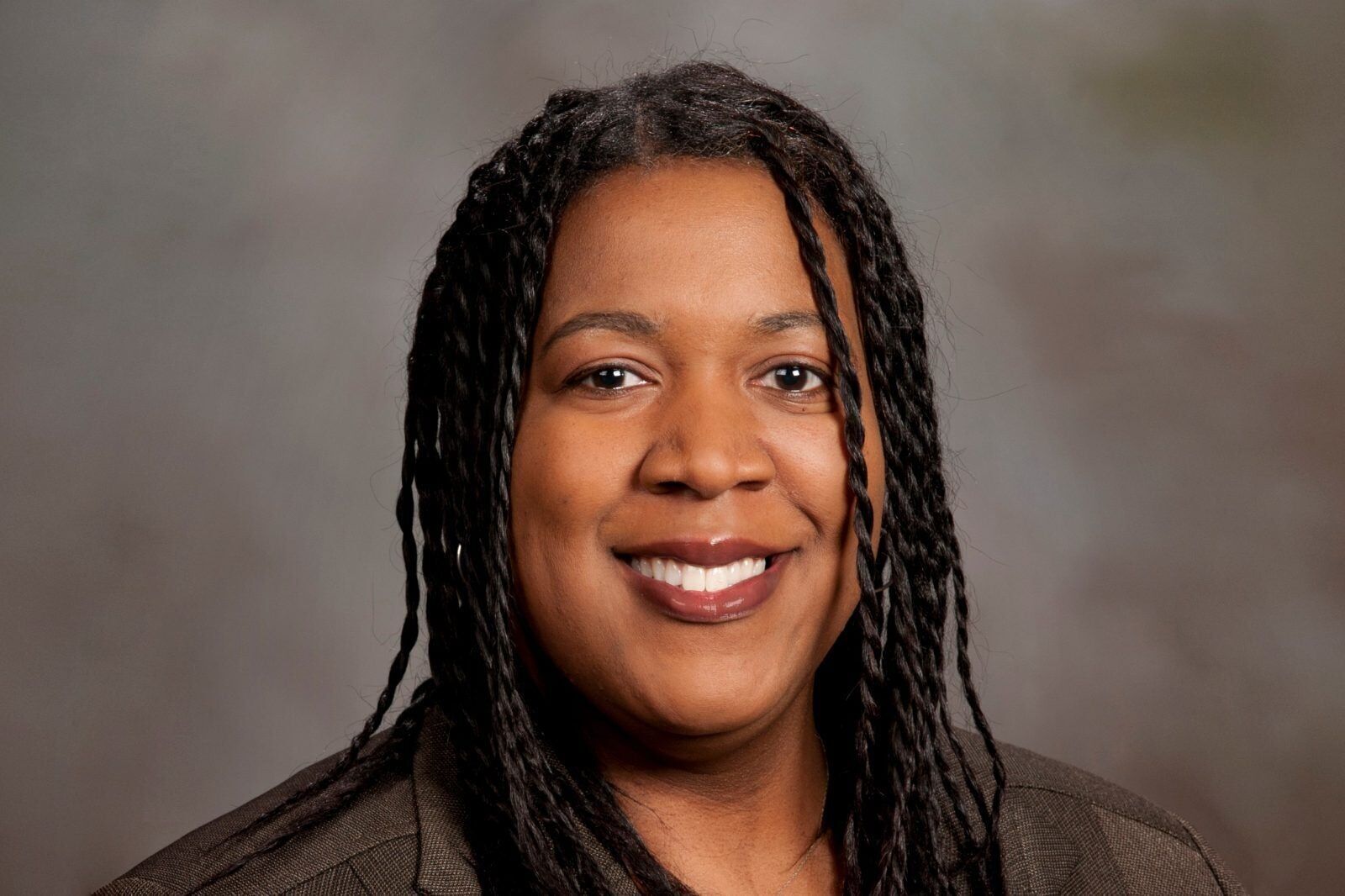
Faulkner
She said professors at her institution have faced consequences for exercising their freedom of speech and speaking out against the board of visitors.
Tech’s board has worked to implement President Donald Trump’s directives on diversity, equity and inclusion despite opposition from faculty and students, and in 2024 faculty and students were arrested after protesting in support of Palestinians.
“A deeply important and necessary tradition in higher education is being eroded under the guise of time, place and manner restrictions as administrators try to tightly control how we can exercise our freedom of speech,” Faulkner said. “Faculty are being disciplined without due process hearings. I am one of them.”
Both professors said collective bargaining agreements that provide better job security and protections for staff would allow faculty to better advocate for themselves and students.
Supporters of amending the bill say presidents of Virginia’s universities have lobbied the General Assembly against including professors and other nonservice staff. Representatives for Virginia Tech could not immediately be reached for comment on Wednesday.
Heinecke said UVa’s former president, Jim Ryan, who resigned to protect the university from funding cuts after a battle with the Trump administration over DEI, would not have been forced out if professors and staff had union power.
The clock is winding down for Spanberger to decide whether to amend the bill, and it remains unclear whether an amended version would receive the same support in the General Assembly.
Katie Baker, who organized an online news conference on the amendment Wednesday, said “conversations are happening” with the Spanberger administration regarding the proposal.
“I can't speak specifically to their nature, but it is our hope that higher ed workers will all be added back into this legislation,” she said.
The push for the change has drawn support in Blacksburg. In late February, Del. Lily Franklin, D-Montgomery, and Blacksburg Town Council member Darryl Campbell both attended a campus meeting in support of the amendment.
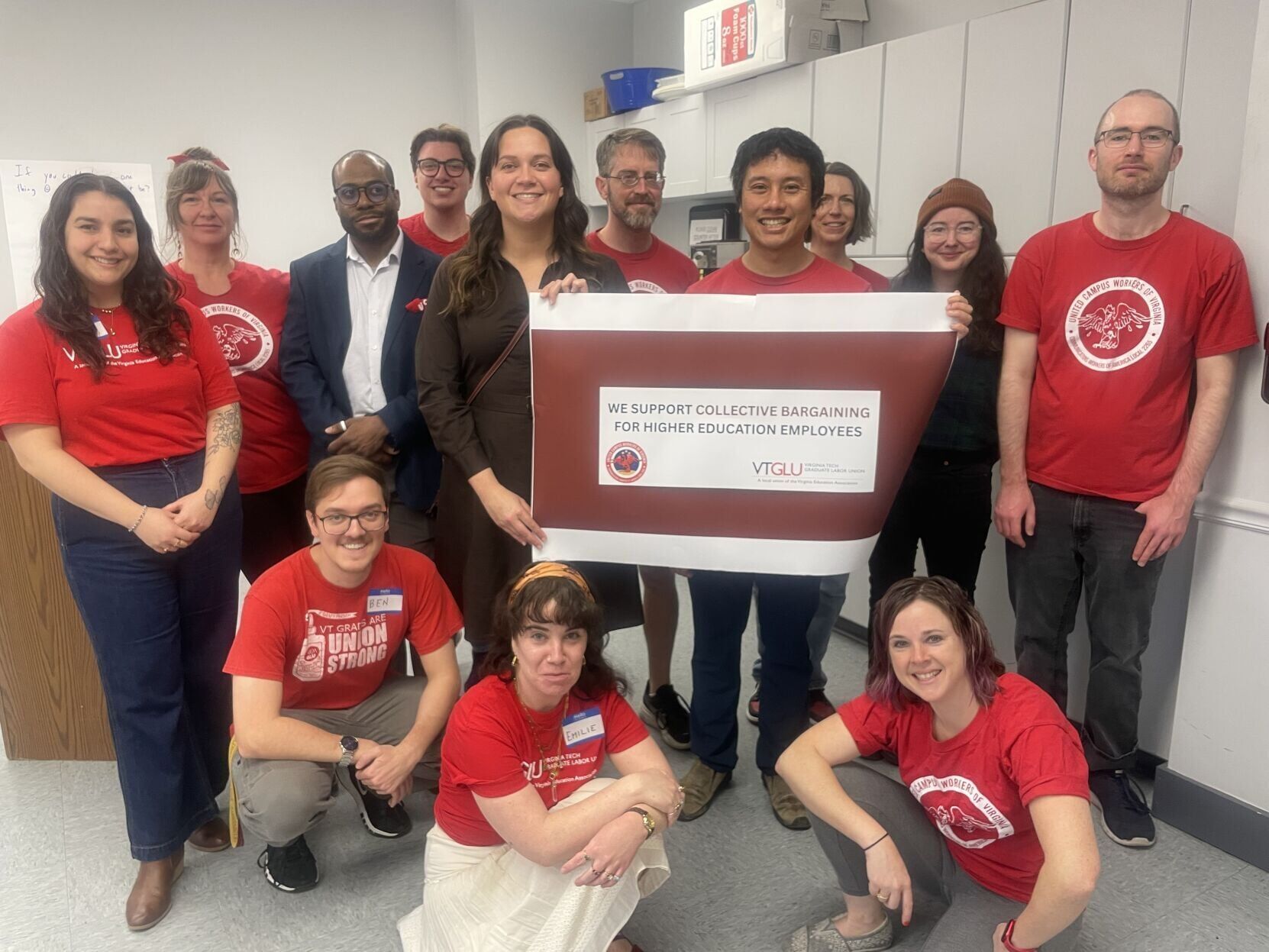
Blacksburg Town Council Member Darryl Campbell, middle left, and Del. Lily Franklin, D-Montgomery, middle right, are pictured during an event in support of amending the bill on Virginia Tech's campus in late February.
“When we hear about collective bargaining, people think salaries, and that’s great, that's an important point, but it’s also about working conditions,” Franklin said in February. “It’s about putting power back into the worker.”
Ethan Hunt (540) 381-1678
Related

IndyStar First Amendment Reporter Cate Charron explains what academic freedom is and how it affects college professors.