This Is How You Can Counter the Effects of Sitting . Sitting for extended periods of time is quite common in the modern world, especially since the outbreak of the pandemic. Several studies have clarified just how detrimental hours of daily sitting can be for a person's health. But a recent study indicates that only 11 minutes of daily walking is enough to counter the effects of sitting. It was published in the 'British Journal of Sports Medicine.'. The study maintains the findings of other studies linking early death with being sedentary. Analyzing the data of more than 40,000 people, the study found that daily movement dramatically lowers the risk of early death. Brisk walking is excellent moderate exercise, Ulf Ekelund, Norwegian School of Sport Sciences, via 'The New York Times'. While 11 minutes of walking can counter the effects of sitting, . other studies have indicated that at least 30 minutes of daily activity can actually lengthen a person's life span
People are also reading…

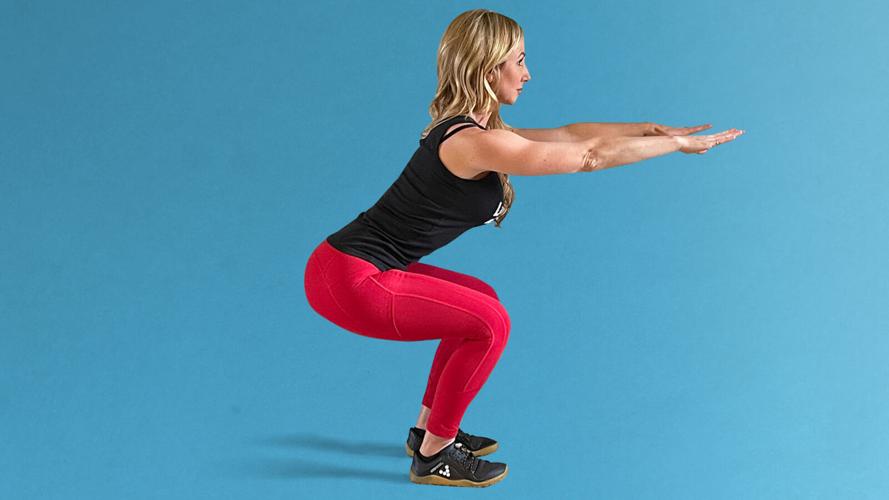
Just 11 minutes of activity a day can boost your life span, according to a recent study. Fitness expert Dana Santas demonstrates a body-weight squat, which strengthens the lower body.

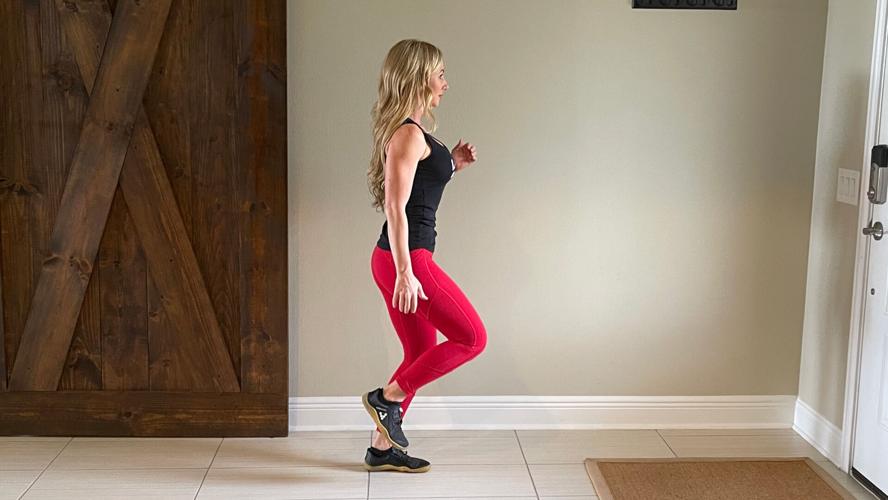
Jogging in place elevates your heart rate — an ideal way to burn calories during the winter months.
How to avoid 5 common mistakes when working out at home
Overtraining
“What we observed over the quarantine period is that a lot of people resort to randomized programs — stuff they see on social media or stuff their friends are doing — that they simply aren’t ready for,” said Clifton Hempstead, personal trainer and co-founder of Anthos Training Clubs.

Hempstead said a lot of these programs are high-intensity and designed to make you feel exhausted. Instead, he said you should seek out a program that is working toward a goal, with exercises you’re capable of doing.
Weightlifting
Alysha Bazan, trainer and fitness director at CrossTown Fitness, said weightlifting is one of the most common exercises she sees performed incorrectly — especially deadlifts, in which people will sometimes round their back while lifting.

“Take your time and don’t rush through the movement. Make sure that you’re stabilizing your core,” she said. “Make sure you’re doing the form properly without the weights first before loading it up.”
Watch your form
A lot of home workout programs that don’t require equipment include exercises such as planks, squats, push-ups and sit-ups. But having bad form can lead to injury, said Alex Nsiah-Kumi, trainer and owner of Paramount Personal Training.
When doing squats or lunges, your knees and toes should be going the same direction. “So that, long term, your knees don’t start bothering you,” he said. “Rep after rep, doing it wrong adds up.”

Yoga
Yoga is best done in the presence of an instructor, said part-time Chicago yoga instructor Whitney Katz. But that’s not always possible, even in in-person classes, she said: “Not being watched properly by a teacher has hurt me more than it’s helped me.”
Katz recommends making live, virtual classes part of your at-home yoga practice, especially if you’re a beginner. Even over the internet, having an instructor watching can help you tune the poses to your body.

Listen to your body
“You certainly are at risk for injury any time you exercise,” said personal trainer Shane Schroeder. “You want to check with your doctor to make sure it’s safe to start an exercise program.”
Schroeder also recommends getting a trainer who can help you virtually. His service, Train With Shane, delivers his programs to clients through an app and he follows up with weekly coaching calls. People who use a free online program for fitness should do so with caution, he said.