When the U.S. Supreme Court ordered school desegregation in 1954 in Brown v. Board of Education, the court hoped K-12 schools across the nation would give equal opportunities to both Black and white students.
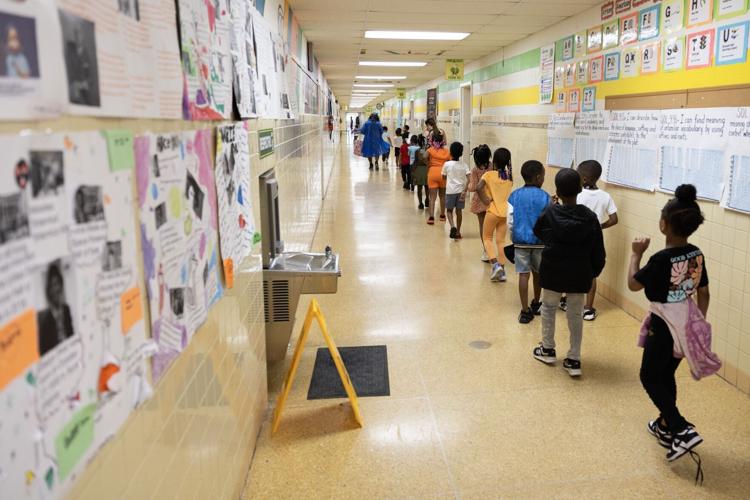
Students at Fairfield Court Elementary School in Richmond walk through the hallway on April 29. Fairfield Court parents know that when their children get to school, they’re safe and they’re going to learn, said Principal Angela Wright.
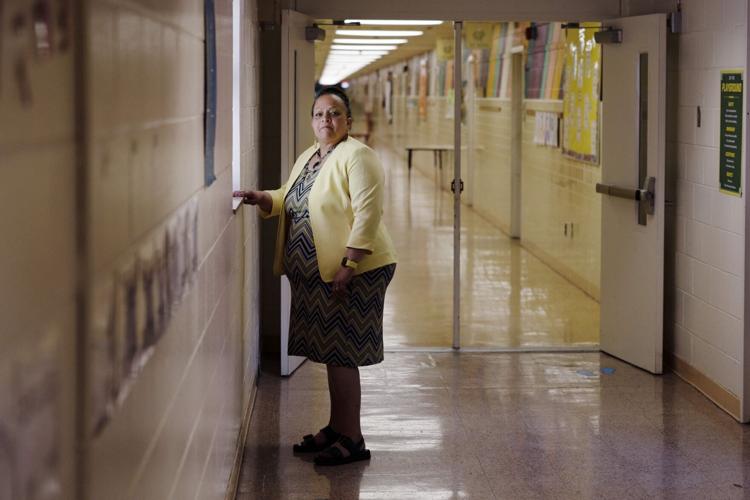
Angela Wright is the principal of Fairfield Court Elementary School in Richmond’s East End. The school is 89% Black and less than 1% white, and its student body is 97% economically disadvantaged. , a rough gauge of poverty measured by the state.
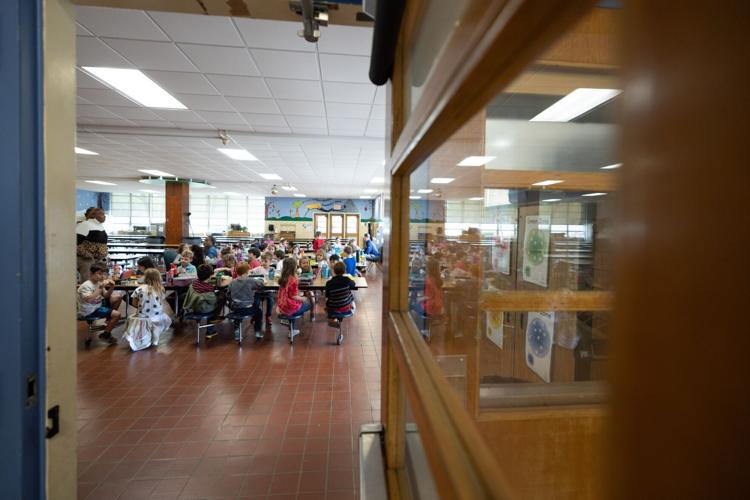
Mary Munford Elementary School students eat lunch in the cafeteria on April 25. Kids from around the city flock to the school’s 9-acre playground after school and on weekends to play on the modern jungle gym, tennis courts, soccer fields, basketball courts and gaga ball pit — a new variant of dodgeball played in a small octagon.
Richmond Schools Superintendent Jason Kamras says Richmond and its schools remain "largely segregated." He speaks about schools in Richmond on April 23.
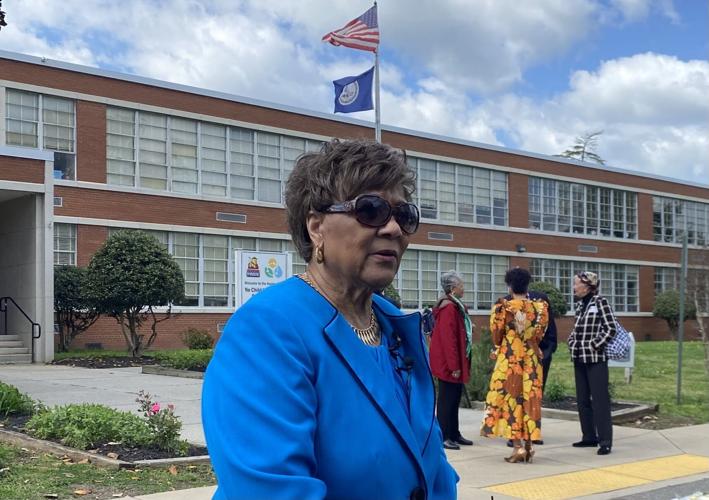
“It’s amazing how fearful people are of the unknown and how unfounded many of the fears were,” said Lois Harrison-Jones, who worked in the Richmond school system before, during and after desegregation. She became the first Black female superintendent of Richmond’s public schools in 1985.
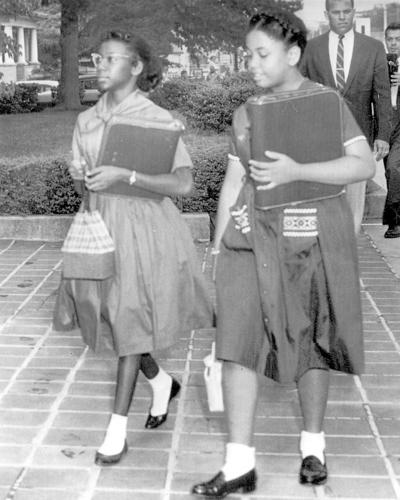
In September 1960, Gloria Jean Mead, 13, left, and Carol Irene Swann, 12, followed by a Richmond plainclothesman, walk toward Chandler Junior High School, where they became the first Black students to enter formerly all-white Richmond Public Schools.
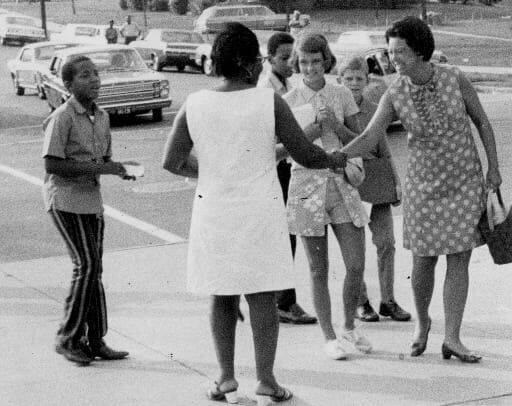
Virginia first lady Virginia Rogers "Jinks" Holton shakes hands with a parent after arriving at Mosby School in Richmond on Aug. 31, 1970. Two of then-Gov. Linwood Holton's children, Anne, center, and Woody, right center, were assigned to Mosby for the 1970-71 school year.
In Part II of this project, coming later this spring, the Richmond Times-Dispatch will examine the effects of modern school segregation — what it means for academic outcomes, school finance and teacher experience.
Virginia first lady Virginia Rogers "Jinks" Holton shakes hands with a parent after arriving at Mosby School in Richmond on Aug. 31, 1970. Two of then-Gov. Linwood Holton's children, Anne, center, and Woody, right center, were assigned to Mosby for the 1970-71 school year.
In September 1960, Gloria Jean Mead, 13, left, and Carol Irene Swann, 12, followed by a Richmond plainclothesman, walk toward Chandler Junior High School, where they became the first Black students to enter formerly all-white Richmond Public Schools.
“It’s amazing how fearful people are of the unknown and how unfounded many of the fears were,” said Lois Harrison-Jones, who worked in the Richmond school system before, during and after desegregation. She became the first Black female superintendent of Richmond’s public schools in 1985.
Mary Munford Elementary School students eat lunch in the cafeteria on April 25. Kids from around the city flock to the school’s 9-acre playground after school and on weekends to play on the modern jungle gym, tennis courts, soccer fields, basketball courts and gaga ball pit — a new variant of dodgeball played in a small octagon.
Angela Wright is the principal of Fairfield Court Elementary School in Richmond’s East End. The school is 89% Black and less than 1% white, and its student body is 97% economically disadvantaged. , a rough gauge of poverty measured by the state.
Students at Fairfield Court Elementary School in Richmond walk through the hallway on April 29. Fairfield Court parents know that when their children get to school, they’re safe and they’re going to learn, said Principal Angela Wright.