

Martinsville audit reveals control failures under former city manager
MARTINSVILLE — A long-awaited forensic audit released Tuesday paints a picture of widespread breakdowns in financial controls, oversight and documentation within Martinsville's government during the tenure of former City Manager Aretha Ferrell-Benavides.
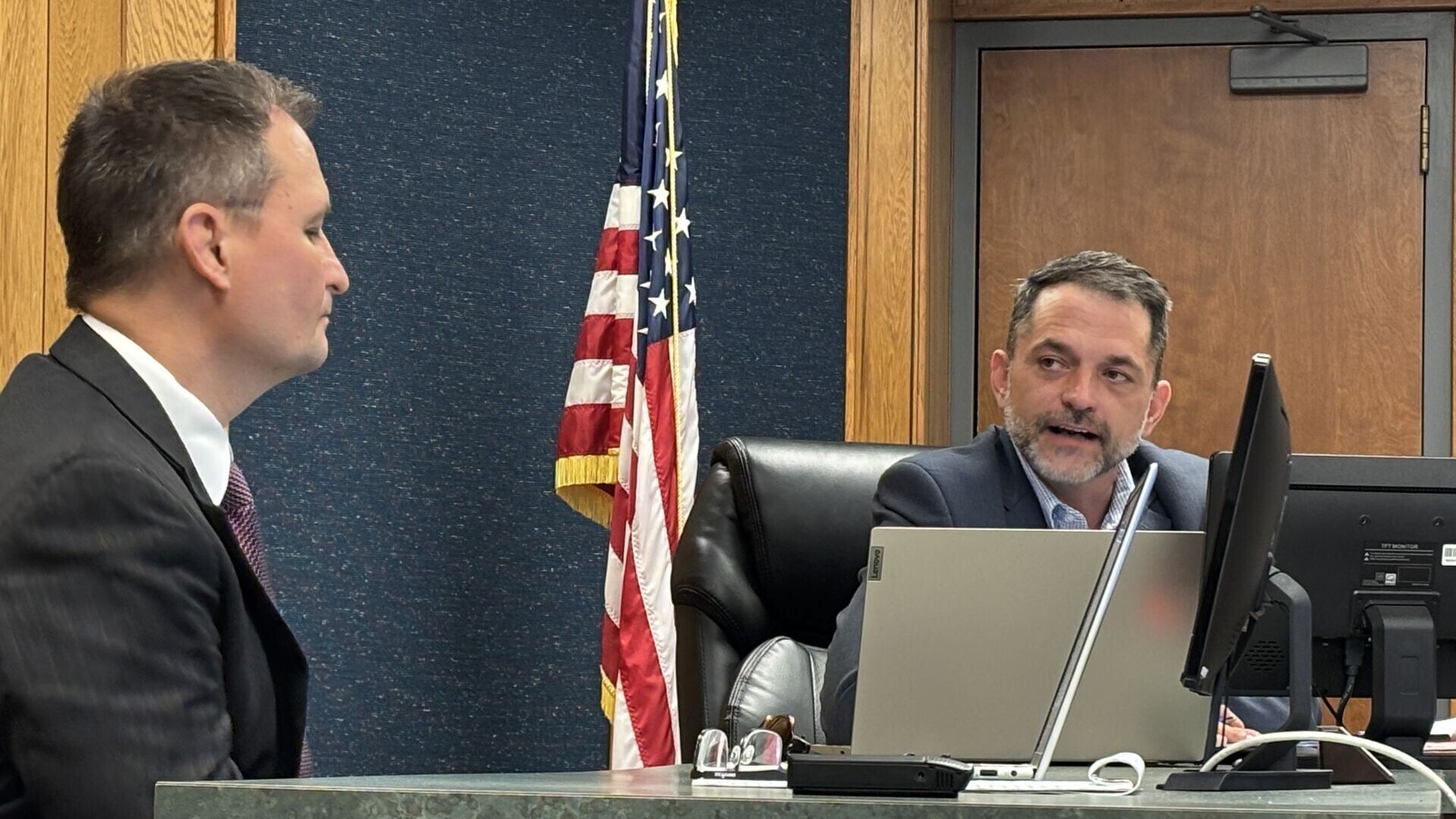
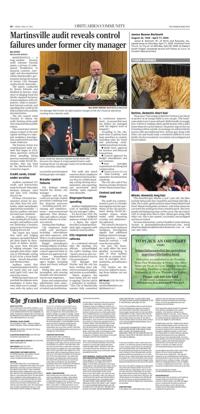
Sands Anderson Attorney Stephen Durbin (from left) discusses the release of a long-awaited forensic audit involving former City Manager Aretha Ferrell-Benavides with Councilman Julian Mei.
The report, conducted by Brown Edwards and finalized in January, stops short of alleging fraud but details repeated instances of noncompliance with city policies, weak or nonexistent internal controls, and spending that could not be fully justified with available documentation.
The city council voted Tuesday to release the audit. Portions of the audit were redacted before public release.
The council also voted to release a report at the next regular meeting of a separate workplace investigation conducted by law firm Sands Anderson.
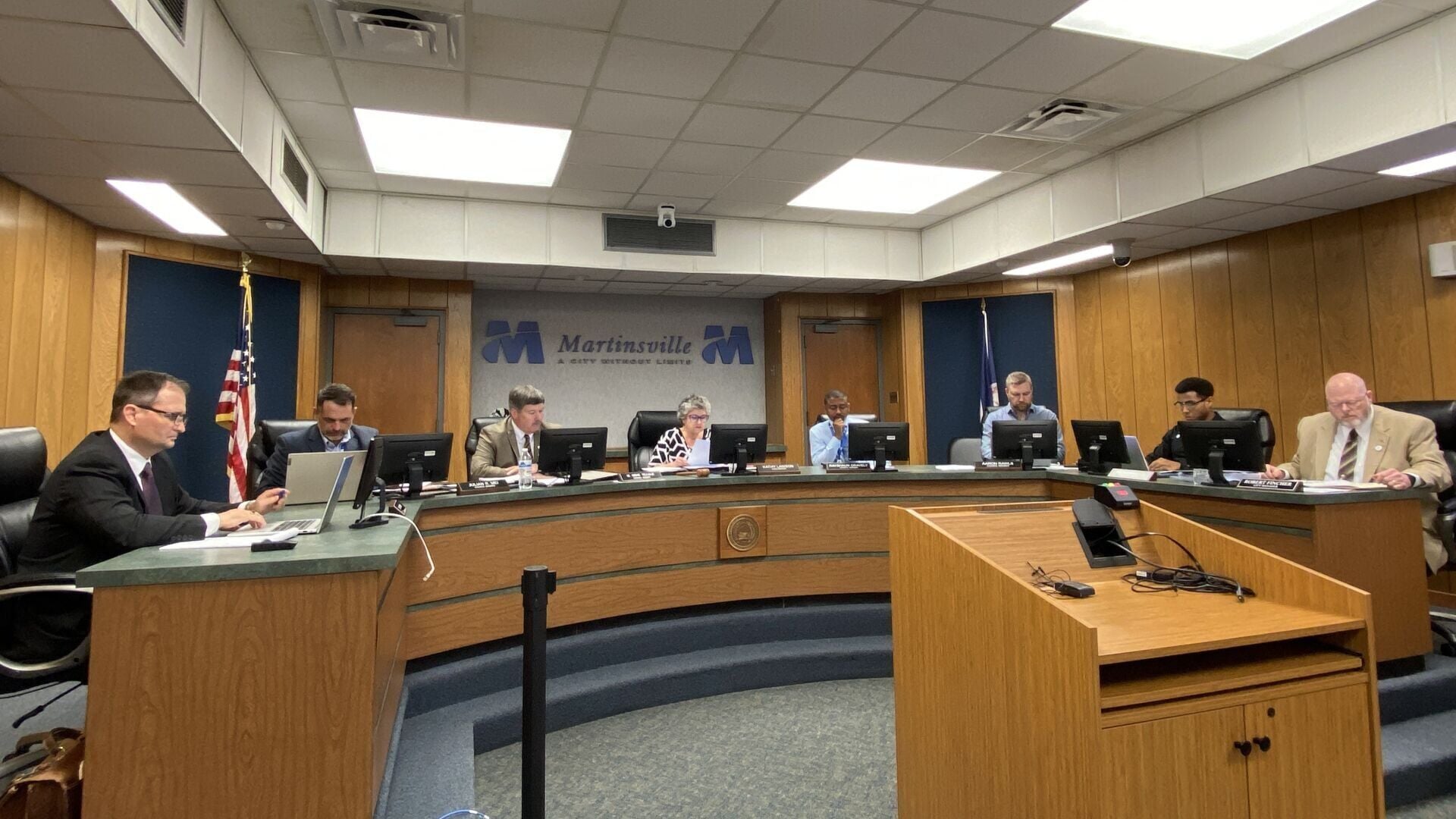
The Martinsville City Council convened in closed session for an hour and a half to discuss the release of a long-awaited audit before convening for a regular session Tuesday night in the Council Chambers and announcing that a forensic audit, completed five months ago, would be released to the public.
The forensic review was commissioned amid turmoil that began in 2025, when questions surfaced about spending, hiring practices and internal governance under Ferrell-Benavides, who was fired by the Martinsville City Council in August.
Credit cards, travel under scrutiny
Auditors examined 307 credit card transactions made by Ferrell-Benavides between February 2024 and June 2025, totaling $96,613.88.
Of those, 68 lacked documented review by anyone other than the cardholder, while subordinates approved the remainder — a practice auditors said does not meet best standards.
In addition, 37 transactions totaling $8,142 had no receipts, and auditors could not determine a business purpose for 99 transactions totaling $15,632.80.
The report also found that meal and lodging expenses exceeded federal per diem limits by thousands of dollars, including more than $18,000 in lodging overages. One example cited a three-night stay in Pittsburgh costing $1,613.10 for a room listed under Ferrell-Benavides and Ted Benavides.
Auditors noted that required preapproval forms for travel were not used until April 2025, near the end of her tenure.
While the report does not conclude the expenses were fraudulent, it states they were often not in compliance with city policy and occurred in an environment lacking proper oversight.
Broader control failures
The findings extend beyond the former city manager.
Auditors said the city could not provide written procedures outlining how key financial processes — including payroll, purchasing and reimbursements — were reviewed and approved. That absence, they said, reflects a fundamental weakness in internal controls.
Among other findings:
City employees made credit card purchases, including subscriptions and other expenses, with little or no documentation explaining their purpose.
Budget amendments totaling millions of dollars were entered before the city council approved them or without any approval at all.
Some amendments increased the city manager’s budget, including salary and travel, without oversight.
Hiring files were often incomplete, with missing résumés and documentation for new employees.
Raises and compensation adjustments were sometimes poorly documented or lacked clear justification.
The audit also raised concerns about compliance with federal American Rescue Plan Act (ARPA) funding, noting missing documentation, late reporting, and uncertainty about whether some expenses were allowable.
Disproportionate spending
Auditors highlighted the scale of spending within the city manager’s office.
For fiscal year 2025, the department’s budgeted expenses totaled $740,557 — a figure the report describes as disproportionately high compared with similarly sized localities.
City response and reforms
In a statement released after the meeting, city officials acknowledged the audit’s findings have “raised concerns and contributed to a lack of trust in City government.”
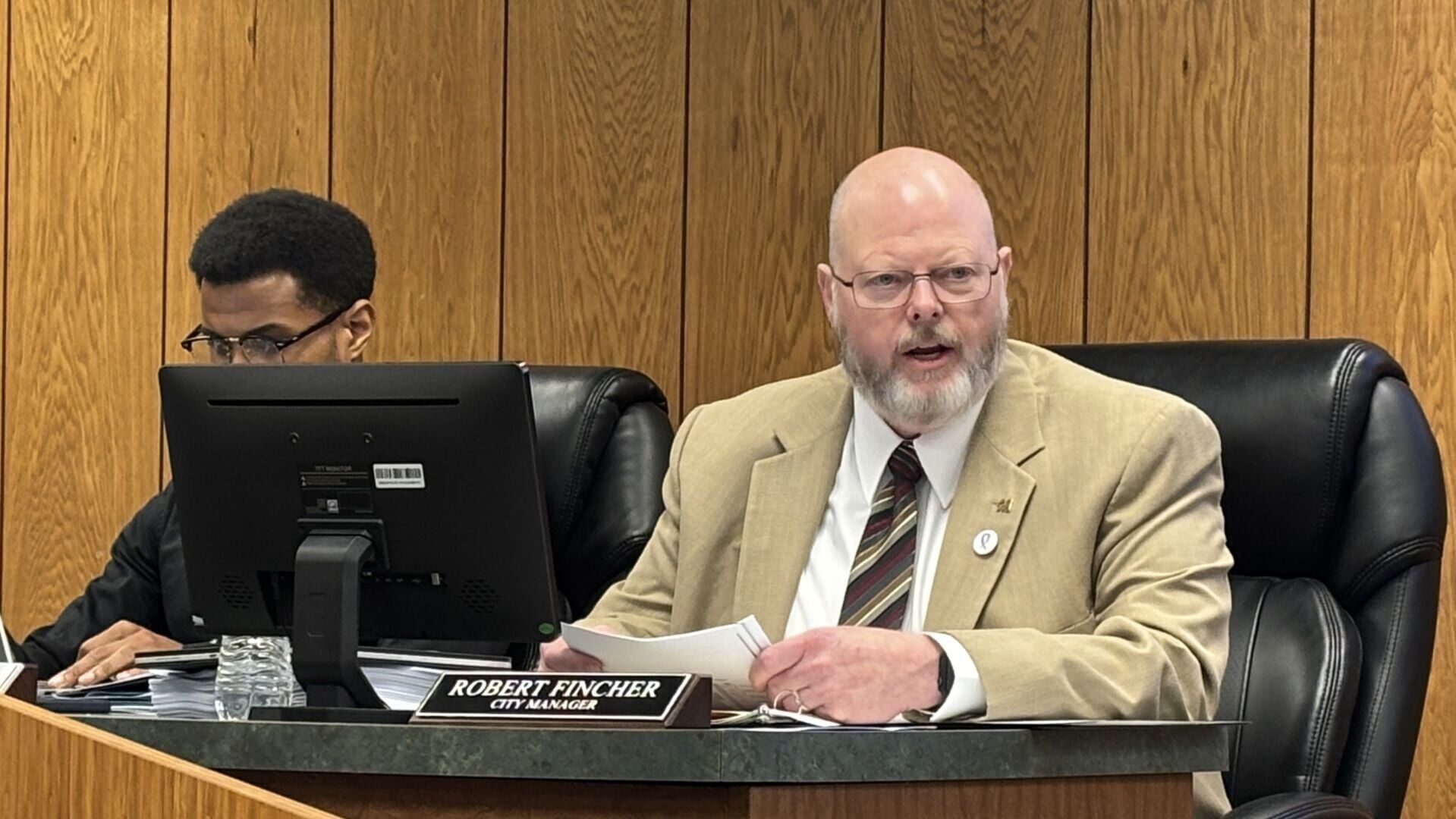
City Manager Rob Fincher (at right) explains changes to the city's financial operations resulting from a forensic audit.
City Manager Rob Fincher said the city has been working since July 2025 to overhaul its policies and restore accountability.
“Much progress has been made, but our work is ongoing,” Fincher said in a statement to residents. “The City of Martinsville remains fully committed to continuous improvement … to ensure that your tax dollars are managed with the highest level of integrity.”
According to the city, more than 25 policies have been rewritten or created, including rules for travel and purchasing cards. Additional reforms include:
- Multi-level approval for invoices and financial transactions.
- Council approval for budget amendments and new revenues.
- New oversight requirements for hiring and compensation.
- Implementation of time-tracking and expanded documentation standards.
The city also said it has hired an outside CPA firm to review financial practices.
Context and next steps
The audit was commissioned as part of a broader investigation into the operations of the city government during Ferrell-Benavides’ tenure, which ended amid mounting scrutiny and administrative upheaval.
The council’s decision to release the Sands Anderson workplace investigation signals that additional findings related to management practices — beyond financial controls — will soon become public.
For now, the forensic audit offers the most detailed accounting to date of what auditors describe as systemic failures in oversight, documentation, and adherence to policy.
City leaders say the focus has shifted to ensuring those failures are not repeated.