
Copperhead bites can cost you thousands in vet bills
Copperhead bites can be costly.
According to Dr. John Downs, the director of the Virginia Poison Center at VCU Health, medical care for a person without insurance could cost $20,000 to $40,000 out of pocket.
For pets, it can be surprisingly expensive too. Emergency veterinary care for a venomous snake bite can cost several thousand dollars.
An editor at the Times-Dispatch was recently quoted $4,000 to $6,000 to treat his small dog for a copperhead bite. That included antivenom, administered on a slow IV drip, and overnight care from vet staff, among other things.
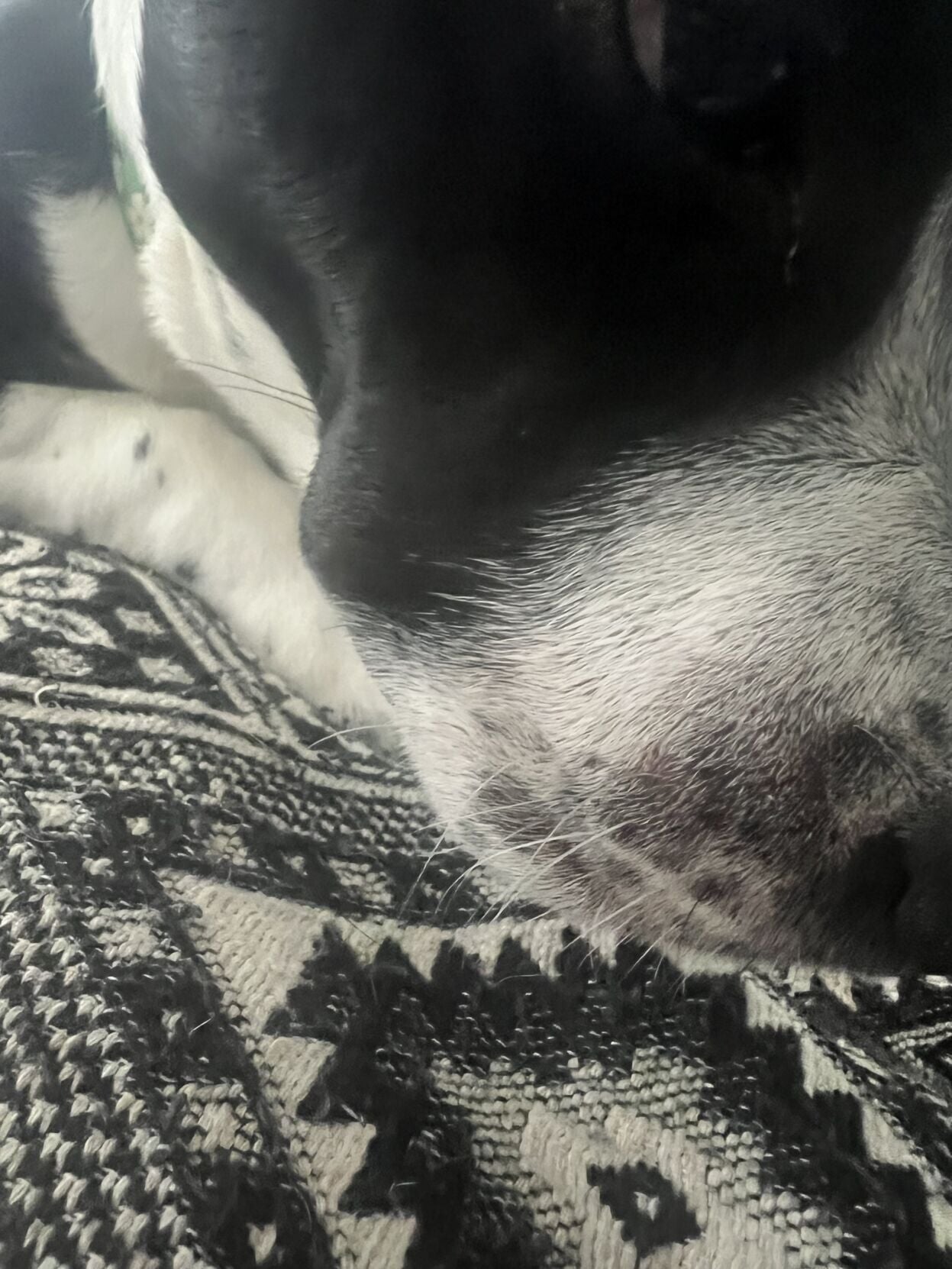
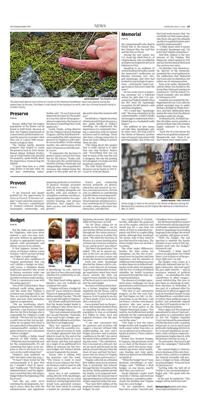
Penny is a small dog that was bitten by a copperhead in Midlothian during a heat wave in April. A large lump shows the swelling on her snout. She spent the night at an emergency vet getting antivenom administered on a slow IV drip.
In Virginia, venomous copperheads are fairly common. For pet owners, the likelihood of a furry friend getting bitten increases in the warmer months.
"I would say 100 percent of the snake bites I've seen in our area are copperhead bites," said Shannon Schietle, a licensed veterinary technician at BluePearl Pet Hospital in Henrico.
According to Schietle, an antivenom injection for a pet can cost between $800 and $1,000.
Pet insurance, just like regular health insurance, can ease some of the financial worries for pet owners. Schietle says it's important, however, that owners are already enrolled in a care plan prior to any emergency visit in order to get coverage.
"I've seen pet insurance save a lot of lives," Schietle said.
Veterinary care is expensive, and unlike humans, animals do not have a "right to care." In a human emergency room, patients are treated first, and finances come later.
"Unfortunately, we have to worry about the finances up front," Schietle said. "Animals are considered property, so it's not like human medicine."
Just like any insurance, Schietle says pet insurance can be tricky. On top of needing to be signed up prior to any emergency, there's also generally a 14-day waiting period with a healthy pet exam before coverage kicks in.
"I always encourage people, whether they're getting a puppy, an adult or senior dog, get insurance," Schietle said. "The sooner you get it, the better."
The services provided at BluePearl are different than what one could expect from their general pet hospital. The facility provides primarily emergency and specialty services. Rather than getting your pet's annual vaccines and check-ups, BluePearl handles urgent care and other extraordinary care needs.
Most of the time, Schietle says, pets that come in for emergency antivenom treatment are dogs. Sometimes an outdoor cat comes in with a bite on the paw, but around 90 percent of the patients Schietle sees for antivenom are canine.
"They're just being little nosy creatures," Schietle said.
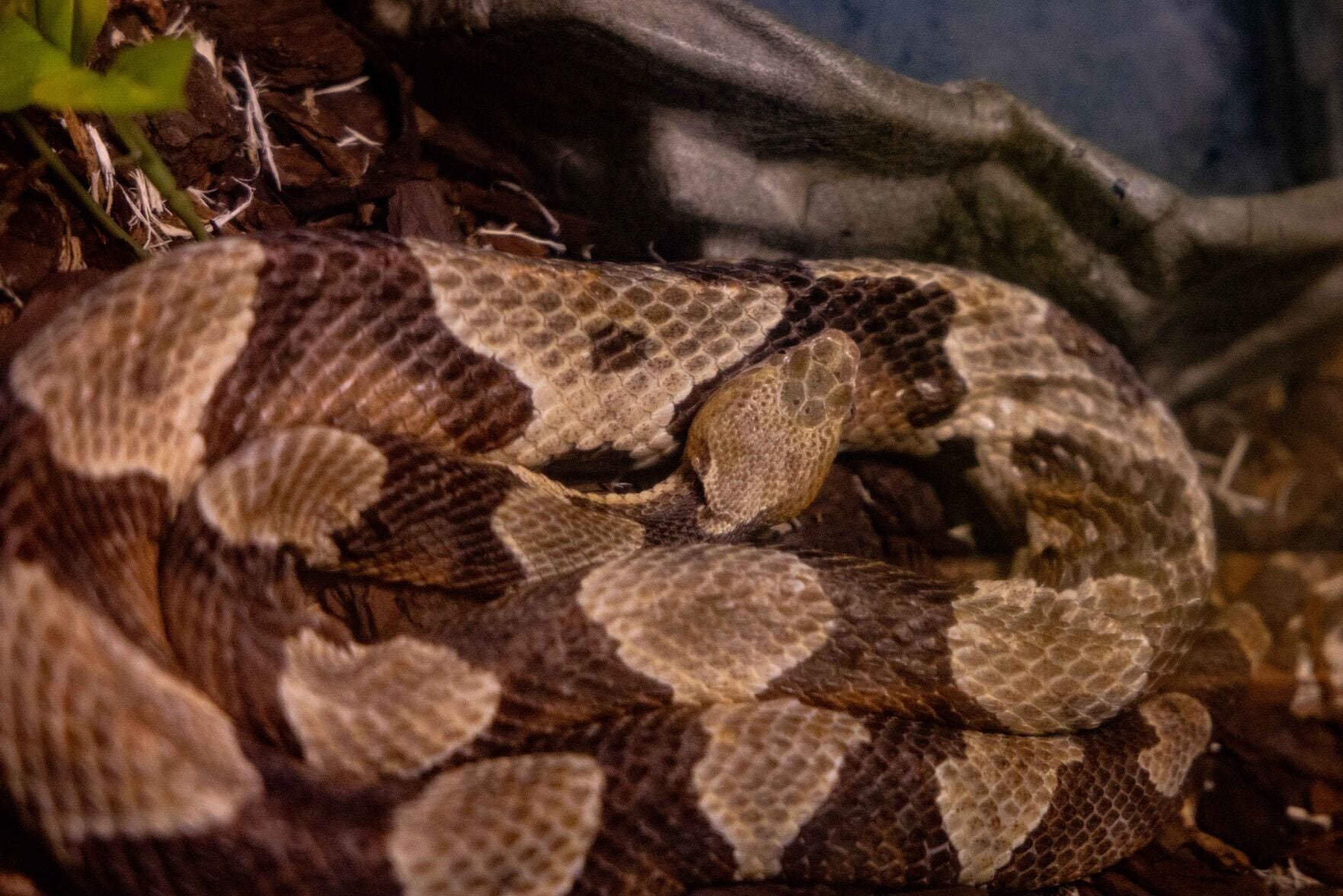
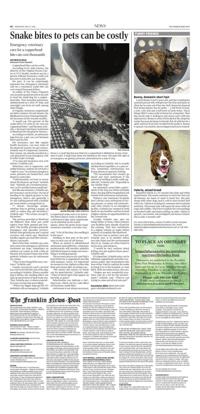
A copperhead snake rests in its tank at The Robins Nature Center at Maymont in Richmond in May. Adult copperheads can be identified by the striped pattern, where the darker brown shape sometimes resembles a Hershey's kiss.
Greater concern for a pet's survival has a lot to do with the size of the dog, according to Schietle. When a smaller dog is bitten, the swelling effect can take up much more of their body size. That, Schietle says, is where a mortality issue can become more likely.
"When our bigger dogs get bit, it's definitely still an emergency," Schietle said. "A lot of the time, the swelling is in the nose."
Swelling in that part of the pet's nose or neck can cut off airways.
When an animal is administered antivenom and antibiotics, veterinary professionals will monitor platelets with blood smears to make sure everything is working properly.
The recovery process for a pet that's been bitten by a copperhead, just like with humans, varies. It's important for owners to stay vigilant as they take their pets home after receiving care.
"We always tell owners to watch out for petechiation," Schietle said. "They're blood spots that appear on the belly or gums."
Petechiation can indicate a clotting issue, which can be a side effect of venomous snake bites.
Antivenom is not always necessary, according to Schietle, but is usually administered regardless as a precaution. Sometimes veterinarians use frozen plasma to prevent clotting.
"We recommend that owners go ahead and start antivenom if the amount of swelling is really, really significant," Schietle said. "Especially in our smaller dogs."
For extremely severe bites, particularly if the dog was bitten multiple times, the dog will be hospitalized and treated with antivenom and plasma.
Primary care veterinary hospitals don't always carry antivenom or frozen plasma, so many will automatically refer owners to an emergency facility. Schietle has worked in both kinds of care facilities and has treated a higher volume of copperhead bites in her current role.
Usually, Schietle says, pets are being bitten at times when primary care facilities have already closed for the evening. That also contributes to a higher volume of snake-bitten patients at hospitals like BluePearl.
The best way to protect your pet, Schietle says, is to monitor where you take them and the environment they're in. Snakes are often found in brush areas and tall grass.
"I would be very cautious about letting your pet explore those areas," Schietle said.
It's important, Schietle notes, not to villainize copperheads and other venomous snakes. She's had patients who have either tried to capture the snake to bring it in to the hospital, or even kill it. Both are unnecessary, she says.
"Snakes are very wonderful creatures who do a lot for the environment," Schietle said. "They're not trying to come and attack your pet."
Gwyndolyn Miles (804) 649-6340