For the past 40 years, a dedicated group of guardians has been protecting the waters at Smith Mountain Lake.
Hundreds of volunteers, dozens of scientists and numerous eager students over the decades have had a hand in monitoring the lake. Their observations have helped to keep one of the region's biggest retirement and vacation destinations clean and clear.
Their dedication lies in the Smith Mountain Lake Water Quality Monitoring Program, created through a partnership between Ferrum College and the Smith Mountain Lake Association that has proved beneficial for both sides. Through valuable scientific testing, it creates teaching opportunities for the college while helping the SMLA keep a closer watch on the lake.
![]()
Volunteers Larry Sakayama and Mark Earnhardt collect water
samples and process them through a filtering apparatus. The samples
are then taken to Ferrum College.
Courtesy Tom Hardy
Volunteers head out each year just after Memorial Day and take samples around Smith Mountain Lake every two weeks until Labor Day. Scientists and students at Ferrum College also collect their own samples as well as analyze those collected from volunteers.
The long-running program just embarked on its 40th year last month. A team of 51 volunteers collected water samples at 81 locations around the lake, along with the Ferrum team collecting samples of their own.
Each bit of information will be cataloged as it has been for the previous 39 summers. That information, every two weeks, gives the SML community a clear view of the lake's health.
"The data that has been captured over that 39-year history is extremely important," said John Vidovich, president of the SMLA. "It is a really good indicator of trends."
Vidovich said having access to such a massive amount of data, especially week to week, is a huge asset for Smith Mountain Lake. The SMLA's website provides detailed charts of information collected from the samples and other measurements done by volunteers on the water.
How SML's water quality is measured
Each volunteer travels by boat to approximately three sites around the lake every two weeks to collect samples and conduct tests at various depths. The first test uses a secchi disk to measure the water's clarity. The disk is lowered into the lake until it can no longer be seen, which is then measured.
The clarity of a lake can be impacted by increased sediments in the water due to runoff or heavy boat traffic. Increased algae growth due to high levels of phosphorus can also be a cause.
![]()
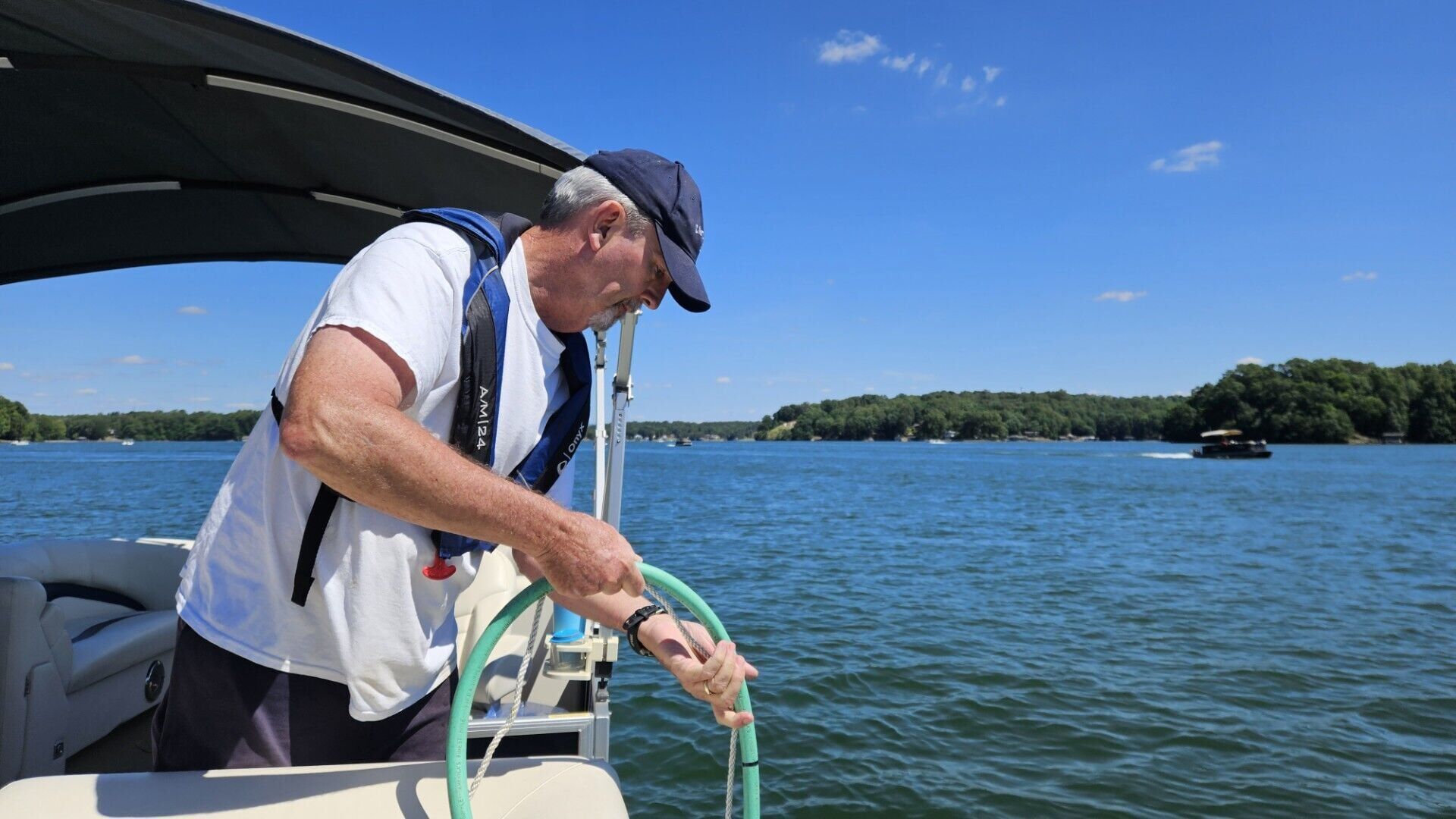
Volunteer Bill Koontz collects a vertical sample of water from
Smith Mountain Lake using a hose.
Courtesy Tom Hardy
Another test involves volunteers using a long hose to collect water samples from the lake at three meters and at six meters. The collected lake water is drained into a bucket. Volunteers place some of the water in a container for Ferrum College to measure phosphorus levels. Another portion of the water is drawn through a specialized filter which is analyzed for chlorophyll-a content.
Once completed, the filter is bagged and kept in a freezer along with the water sample until they are collected by Ferrum College. The samples are collected by students participating in the program. They work with professors in getting precise measurements from the samples each week.
John Rupnick has volunteered for the water quality monitoring program for more than a decade. He spends around an hour every two weeks during the summer collecting the samples. He sees this volunteer work as critical for keeping the lake clean.
"I believe it is incumbent upon the residents of the lake to take care of their asset," Rupnick said.
He added that monitoring the lake water to assure it remains safe and clean is the best insurance policy for lake residents. If the lake quality declines, he said home values would drop and tourism would stall which would impact area businesses.
"I think monitoring is an acknowledged benefit to the lake and to guests that visit the lake, even though they may not appreciate it or understand it," Rupnick said. "And definitely to the residents of the lake, because of the tools that we have now on the website, which allow people to see the health of the lake on a bi-weekly basis. I think it is really important for people to see those numbers."
Tom Hardy, SMLA's director of the program, agrees that the work done in the program is critical to the community. Knowing what is impacting the lake allows them to push for change from residents to help keep the lake cleaner.
"Until you start monitoring a thing, you're just in the dark," Hardy said.
Ferrum's role
While volunteers collect a majority of the samples at Smith Mountain Lake, it is Ferrum College where the work is done analyzing those samples to get the necessary data.
The college has multiple high-tech instruments that can show the levels of chlorophyll-a and phosphorus. A team of professors guide students as they sort through the information.
Ferrum environmental scientists Carolyn Thomas and David Johnson founded the program back in 1986. They joined with Jim Morse, SMLA president at the time.
Thomas was the program's director for 32 years until her death in 2020. Environmental scientist Delia Heck took over the program soon after. She leads a team of five other scientists that include Thomas' husband, Bob Pohlad, in continuing the program.
![]()
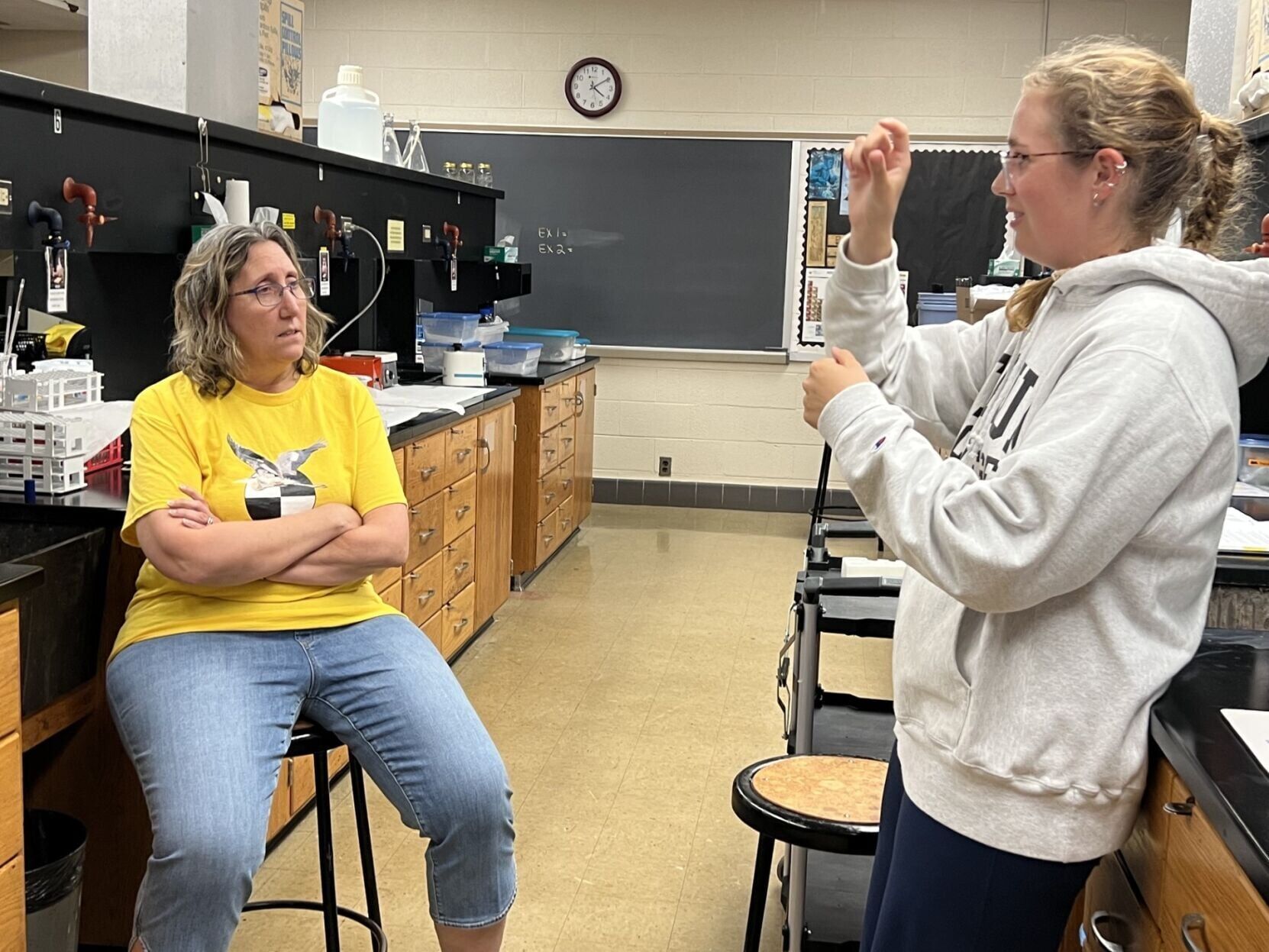
Water quality monitoring program director Delia Heck speaks with
Ferrum College student Ashly Cutcliff who is spending the summer as
an intern with the program.
JASON DUNOVANT, The Roanoke Times
"It all comes down to passion and purpose," Heck said. "For us, we have a passion and a purpose."
Every other week, the team of scientists and students collect samples at 14 locations using a boat purchased by Appalachian Power for the program. Those samples are tested for bacteria as well.
Student scientists hired each summer for the program conduct the tests under the guidance of Heck and other faculty. This year's students are Dew Adams, Gracie Edwards, Ashly Cutcliff and Dashawn Nichting.
![]()
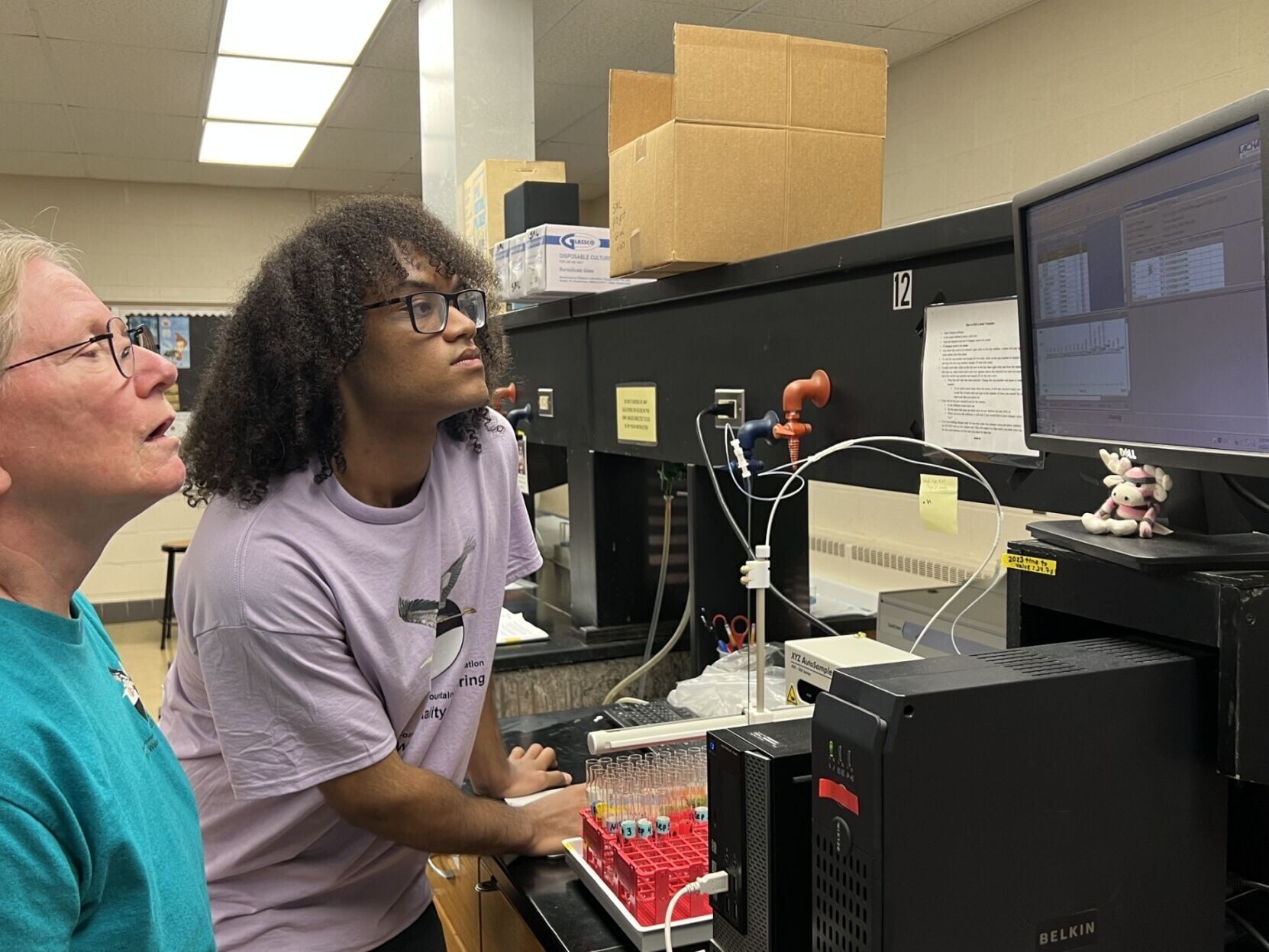
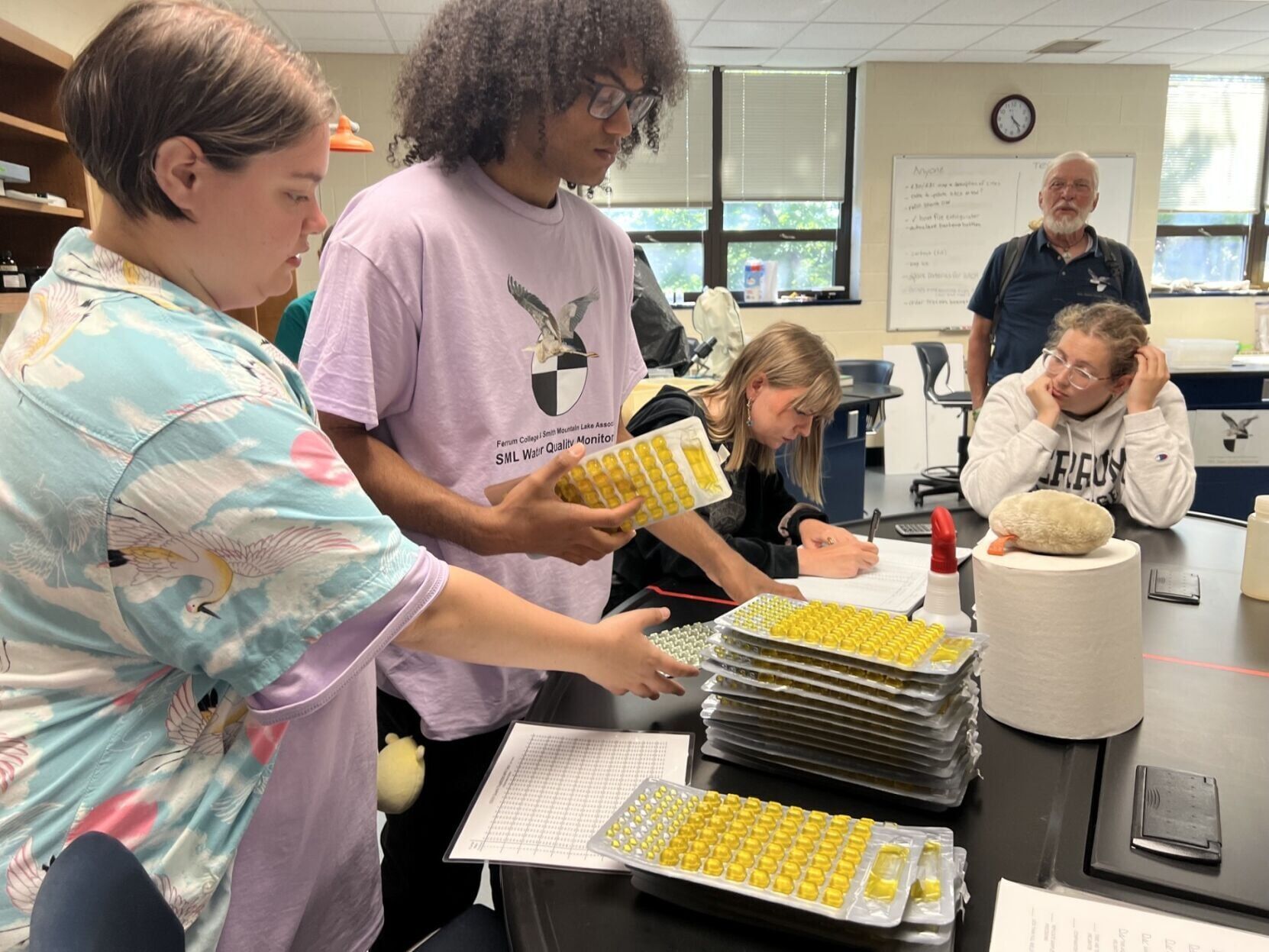
Ferrum College laboratory supervisor Carol Love looks at testing
results on the monitor with student Dashawn Nichting.
JASON DUNOVANT, The Roanoke Times
In addition to spending a day on the water, the students also spend a day traveling around the lake collecting samples from each of the homes of volunteer monitors. In addition, they spend multiple days analyzing the samples in the labs at the college.
"I like doing the total phosphorus testing," said Cutcliff. Each student challenges themselves to be as accurate as possible.
![]()
Ferrum College students Dew Adams, from left, Dashawn Nichting,
Gracie Edwards and Ashly Cutcliff look over samples they collected
at Smith Mountain Lake.
JASON DUNOVANT, The Roanoke Times
The work done by students often provides a significant boost to their resume after graduation. Heck said students have gone on to jobs at the Virginia Department of Health and the Department of Environmental Quality.
Ferrum is also expanding the lab work. Heck said efforts are currently underway to have the lab certified to test cyanobacteria following the harmful algal blooms that hit the area in 2023 and led to multiple swim advisories during the summer.
Continuous impact
![]()
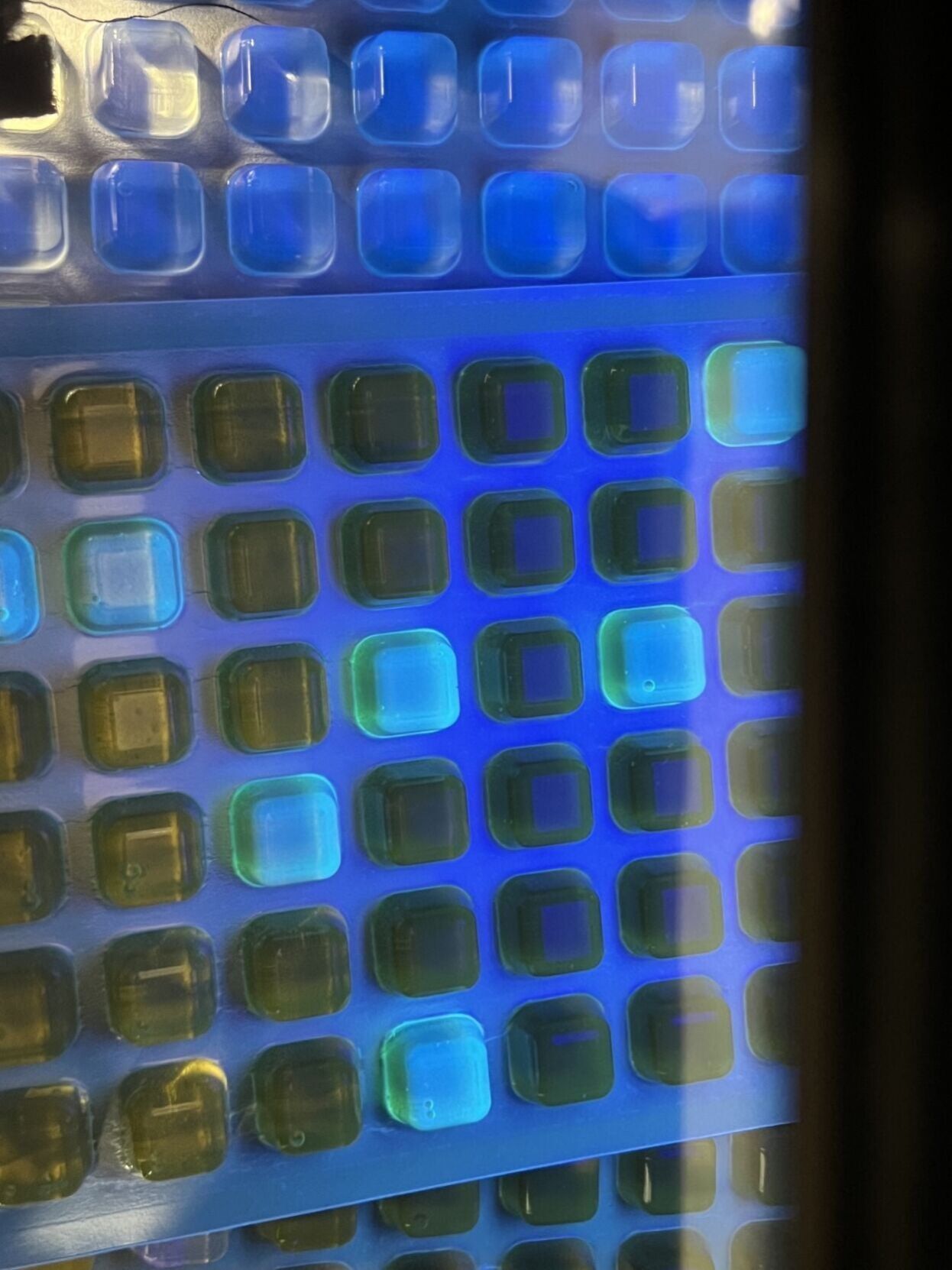
The water samples collected from Smith Mountain Lake are tested
in a variety of ways. One test is placing the samples under a
florescent light. Samples with elevated levels of E. coli bacteria
glow under the light.
JASON DUNOVANT, The Roanoke Times
Having a clearer picture of the lake helps the community take action to solve those problems. Heck said testing decades ago showed higher levels of bacteria believed to be from boats dumping their waste in the lake. That led to the SMLA creating a pump-out program that collected waste from boats.
Hardy said the program has also shown trends in things such as the amount of phosphorus in the lake. Higher levels can lead to increased algae growth and hurt water quality.
That information, according to Hardy, has led to efforts over the years encouraging lakefront residents to use less fertilizer on their yards and thus limit phosphorous getting into the lake. Buffer gardens, which help collect runoff before it enters the lake, are also more common now.
![]()
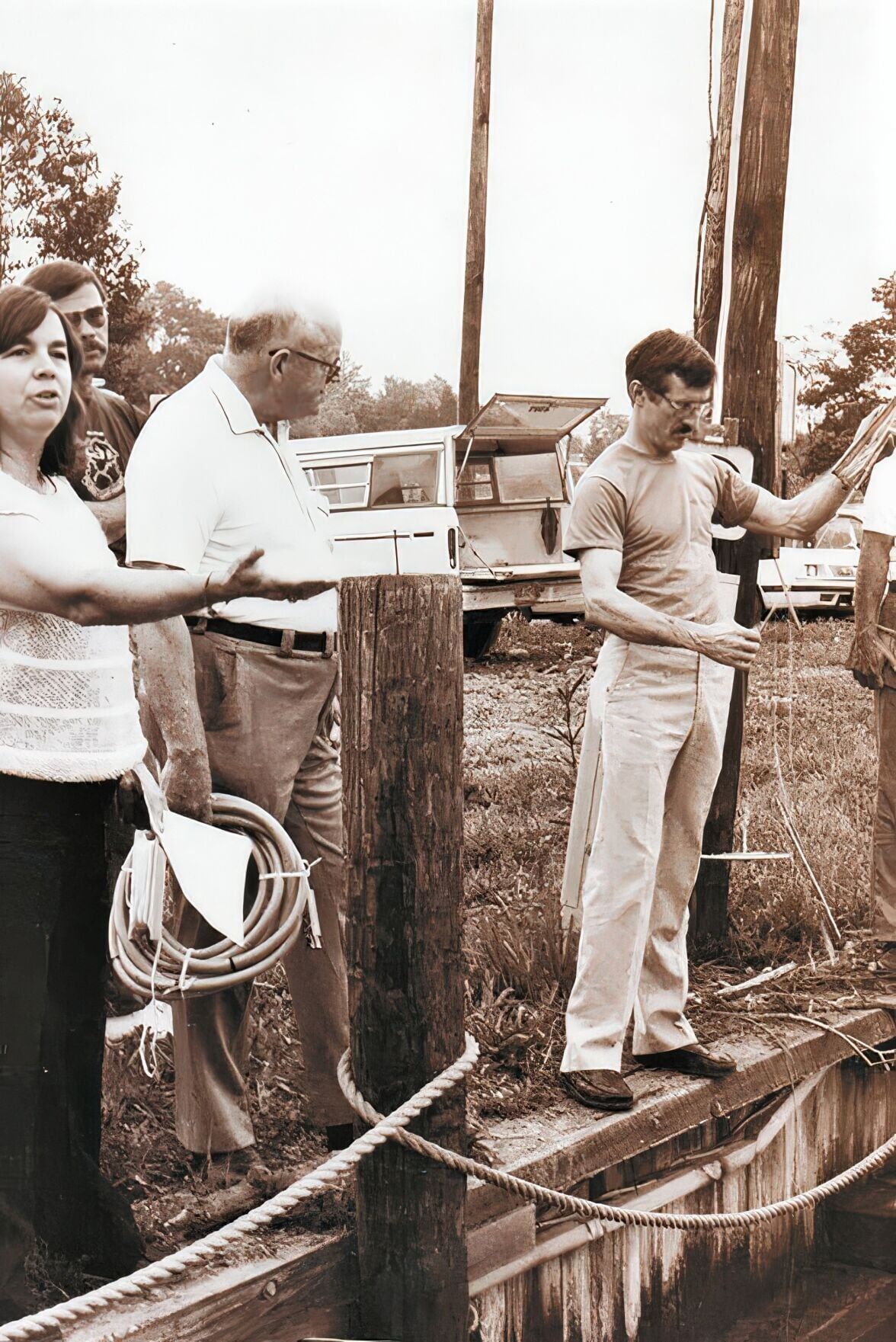
Ferrum College faculty and water quality monitoring program
founders Carolyn Thomas, left, and David Johnson, right, train some
of the first monitors of Smith Mountain Lake back in 1987.
Photo courtesy of Ferrum College
In 2013, Virginia passed a law that prohibits the sale of phosphorus in lawn maintenance fertilizers to prevent water pollution. But even with the restrictions, waste from farms animals or even flocks of geese is high in phosphorus and can find its way into Smith Mountain Lake through runoff.
Phosphorous can even find its way into the water through improperly maintained septic systems. Because of that, testing for it is still critical for the program.
"Without this program," Hardy said, "people could be using heavy phosphorus fertilizers along the shoreline and triggering algae problems without anyone knowing it because nobody was monitoring it."
Pohlad said having a detailed view of the lake allows people to take steps when problems arise.
"When you show people the data, you show them the facts, it's hard to argue," he said.
With this being the 40th year of the program, Heck said efforts are underway this year to complete an extensive look at trends over the decades. Ferrum College scientist Dana Ghioca Robrecht is working through the years of data that will be presented sometime later this year.
Keeping a close eye on Smith Mountain Lake is important as it hits 60 years since the completion of Smith Mountain Dam. Man-made lakes such as SML are known to degrade over time and become less clean. The work of the water quality monitoring program, Pohlad said, has helped keep the lake younger for longer.
"It's not cleaner because of our monitoring," Pohlad said. "It is still clean."