
Spanberger seeks tighter controls on Virginia data centers
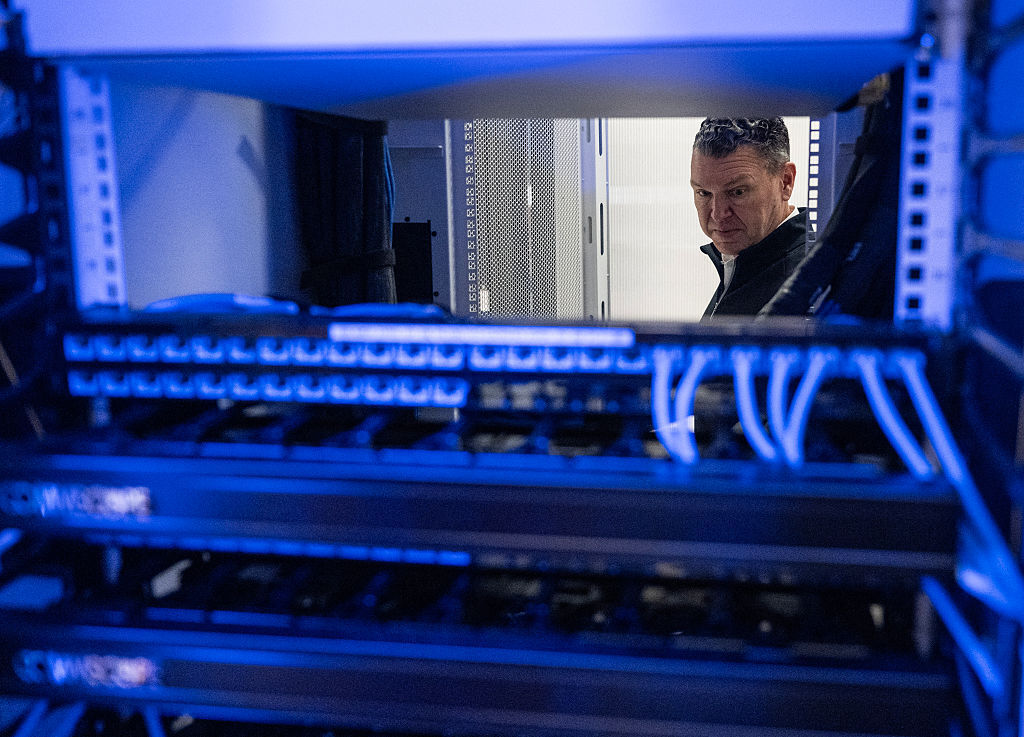
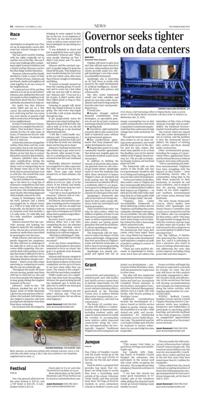
Chris Sharp, chief technology officer of Digital Realty, looks at active servers in the Digital Realty Innovation Lab data center in Ashburn on Wednesday, Nov. 12, 2025.
Virginia will move to give local and state officials more muscle to say when, where and how new data centers are built, under Gov. Abigail Spanberger’s new data center accountability framework.
Spanberger also is launching an AI Task Force to tackle risks posed by the rapid development of artificial intelligence, including job losses, data privacy and cybersecurity.
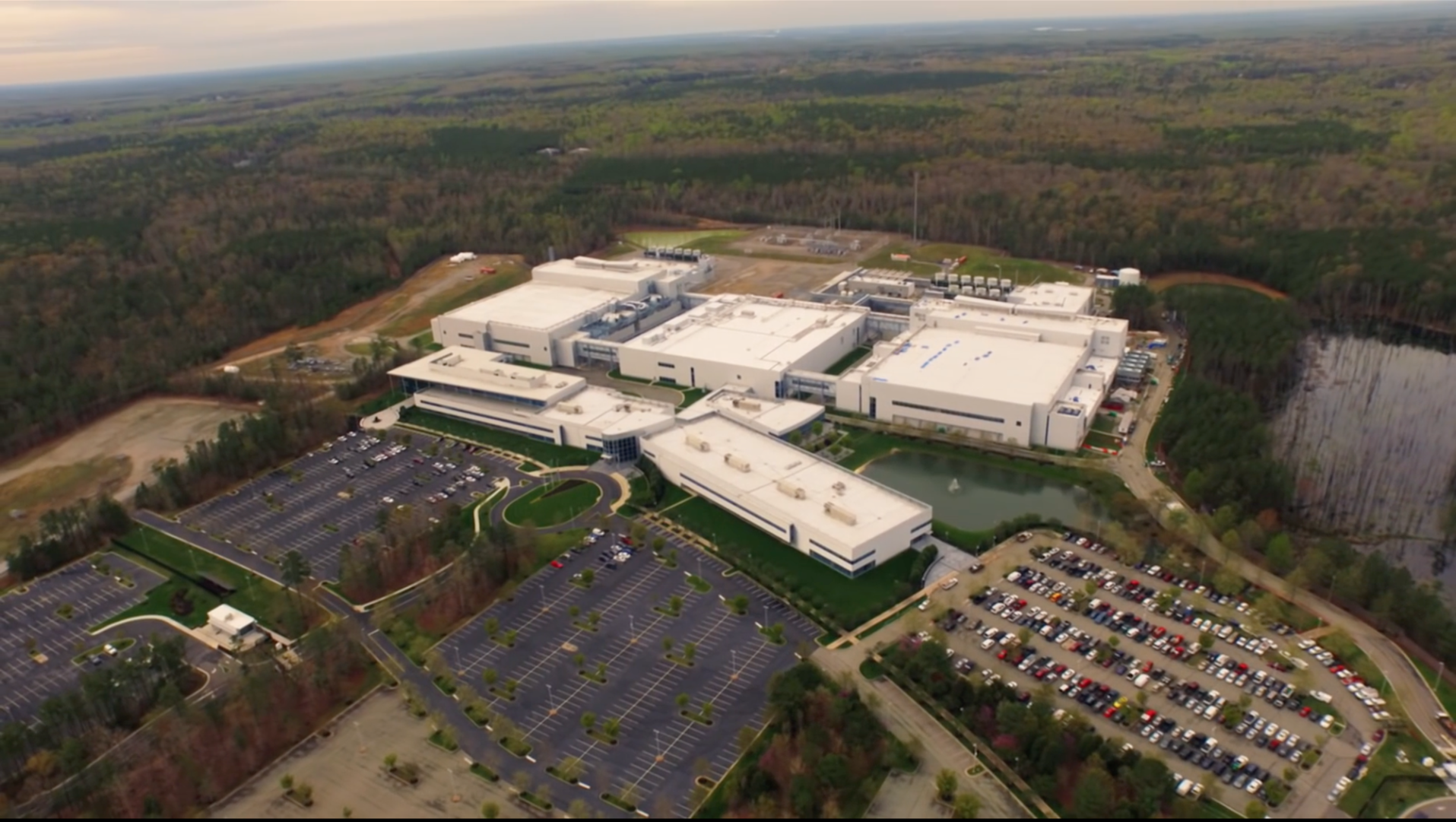
QTS operates a data center campus at White Oak Technology Park in eastern Henrico County. Gov. Abigail Spanberger’s new framework would tighten oversight of future projects and end state subsidies for new data center development.
Her data center framework would end state subsidies and grants for new data center development and remove large projects from the state’s fast-track permitting process.
It would also:
- Require stronger upfront financial commitments from developers, so speculative projects do not tie up land, resources and energy infrastructure without ever getting built.
- Override by-right zoning that currently allows data centers to be built in industrial areas without local government approval.
- Ban nondisclosure agreements that keep proposed data center developments secret.
- Require data centers to accept community benefits agreements that detail real, tangible gains for community residents as part of any new project.
In addition to limiting the amount of electricity data centers can generate from on-site natural gas power plants, Spanberger wants to close the loopholes that allow these emissions to bypass Virginia's clean-air standards and avoid paying into the Regional Greenhouse Gas Initiative (RGGI), a multistate effort to cut greenhouse gases by making power plant operators pay fees based on the amount of carbon gases they emit.

Spanberger's framework also calls on the state to set strong standards for data center energy efficiency, water use, land impacts and backup generation.
These would include water-use rules for data centers, which use millions of gallons of water to cool their servers and electronic equipment, as well as requirements that data centers use backup power generators that emit less pollution. It calls for speeding up noise regulations for data centers.
The framework calls for measures to reduce the impact of data centers and the high-voltage power lines that serve them on Virginia’s scenic and historic landscapes, as well as ways to encourage locating data centers on brownfield sites.
Spanberger has already proposed and signed into law an energy consumption tax on data centers and pushed for a new State Corporation Commission requirement that data centers pay for high voltage lines built exclusively for them.
She said she wants to encourage data centers to set up clean-energy power generators and would provide faster access to the electric grid for data centers that move more quickly to do so than the deadlines now set for electric utilities in the Virginia Clean Economy Act. The act calls on Dominion Energy to phase out fossil fuel plants by 2045.
The framework calls on data centers to hire locally and says local governments should be able to set hiring and training goals for any new data center developments.
“In the years before I took office, data centers came to Virginia and the Commonwealth did not have a clear or coordinated plan to address their impacts on Virginians — on their electric bills, their water, their land, their air, or their quality of life … That changes today,” she said.
“Virginia’s Data Center Accountability Framework is about delivering a better deal for Virginians and holding data center companies, developers and operators accountable,” she said, adding that it aims to protect the environment, lower energy costs for families, bolster the state’s clean energy efforts and protect jobs.
The framework stops short of the moratorium that some data center critics have urged. Texas Gov. Greg Abbott has imposed a freeze on data center development until regulators complete an audit of projects seeking to connect to the state grid.
“There are some positive elements in (Spanberger’s) framework, but it does not address the immediacy of this crisis or bring adequate oversight and accountability,” the Piedmont Environmental Council said in a statement.
The council, which has argued that data center development is out of control, said the problem is that the framework doesn’t address the impact of existing data centers and those already under construction.
Other environmental groups, including the League of Conservation Voters, Appalachian Voices and the Natural Resources Defense Council, were more enthusiastic.
“This is a promising and ambitious announcement. Virginians have been struggling with the impacts of data centers — from skyrocketing electric bills, to communities being kept in the dark about proposals in their backyards, to harmful air and noise pollution, and to projects that are placing tremendous strains on our water supplies,” said Southern Environmental Law Center senior attorney Nate Benforado.
The state Senate Democratic Caucus, whose leaders have clashed with Spanberger over Senate Finance Committee chair Louise Lucas’ proposal to end the $1.9 billion sales tax exemption for data centers, said it “welcomes the opportunity to engage directly with the Governor and her team on data center and AI policy. We look forward to discussing how we can work together to address these pressing issues.”
Del. Rip Sullivan, D-Fairfax, who sponsored the Clean Economy Act, said it is refreshing to have a governor who wants to focus on cutting carbon emissions and addressing the costs data centers impose, including rising power bills and other impacts.
Nicole Riley, director of Virginia government affairs for the Data Center Coalition, a trade association of data center operators and developers, said the industry hopes to see more details on how the framework would be implemented.
“Significant and abrupt policy changes without meaningful stakeholder engagement could prove unworkable and jeopardize the real tangible benefits this industry can create,” she said.
Dave Ress (804) 649-6948
Related

Before data centers became a central topic of Virginia's budget debate, the Richmond Times-Dispatch last year took a deep dive into the topic,…