

After 123 years, Virginia Tech student newspaper reduces print to embrace online
BLACKSBURG — After 123 years, Virginia Tech’s student newspaper, the Collegiate Times, has ended its biweekly print edition and will move to a primarily digital format.
Last week, incoming editor Ava Garrison announced the change, saying it will allow the student-run news organization to “move forward with industry changes and new industry standards.” Garrison said the move will help keep the Collegiate Times “at the head of local news.”
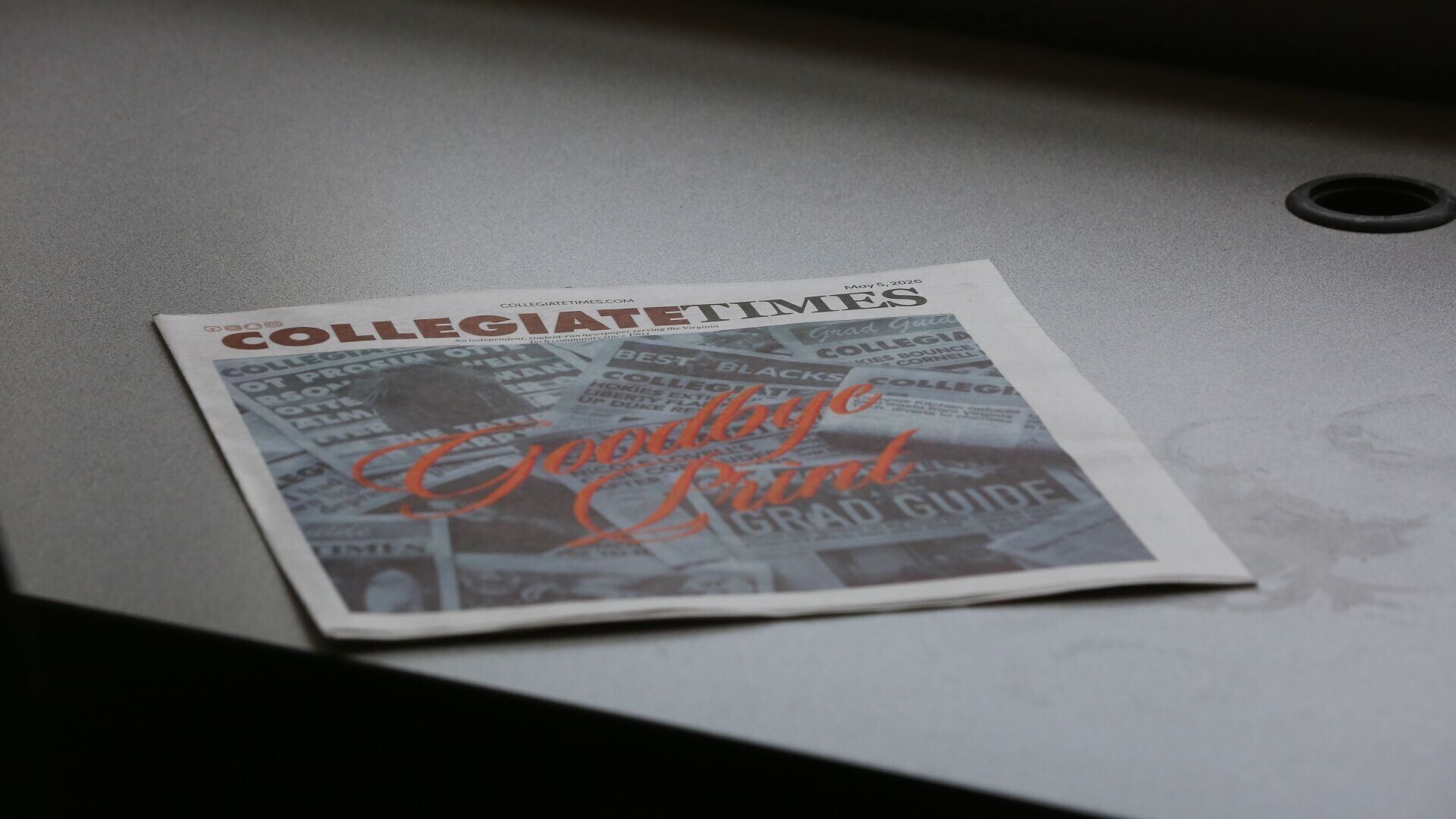
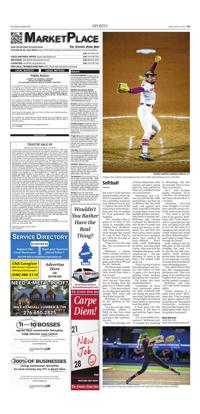
The final regular print edition of the Collegiate Times is pictured.
While the overarching goal is to keep pace with how readers consume news, managing editor Cat Pizzarello said the conversation began with finances in mind.
“First and foremost, obviously money comes into play,” Pizzarello said. “A lot of outlets all over the globe are going digital because it's less pricey. And I think that is what started the conversation.”
The newspaper is managed by the Educational Media Company at Virginia Tech, a nonprofit that provides some funding, though most of the publication’s resources come from advertising revenue. Pizzarello said the paper is not facing financial trouble, but staff members had begun questioning whether resources were being allocated efficiently.
Pizzarello said they asked, “How can we be using this money to reach our audience better?”
The answer, she said, is social media. The Collegiate Times plans to expand its presence on Instagram, Facebook and X while introducing new forms of content such as short-form videos and mobile-friendly news briefs.
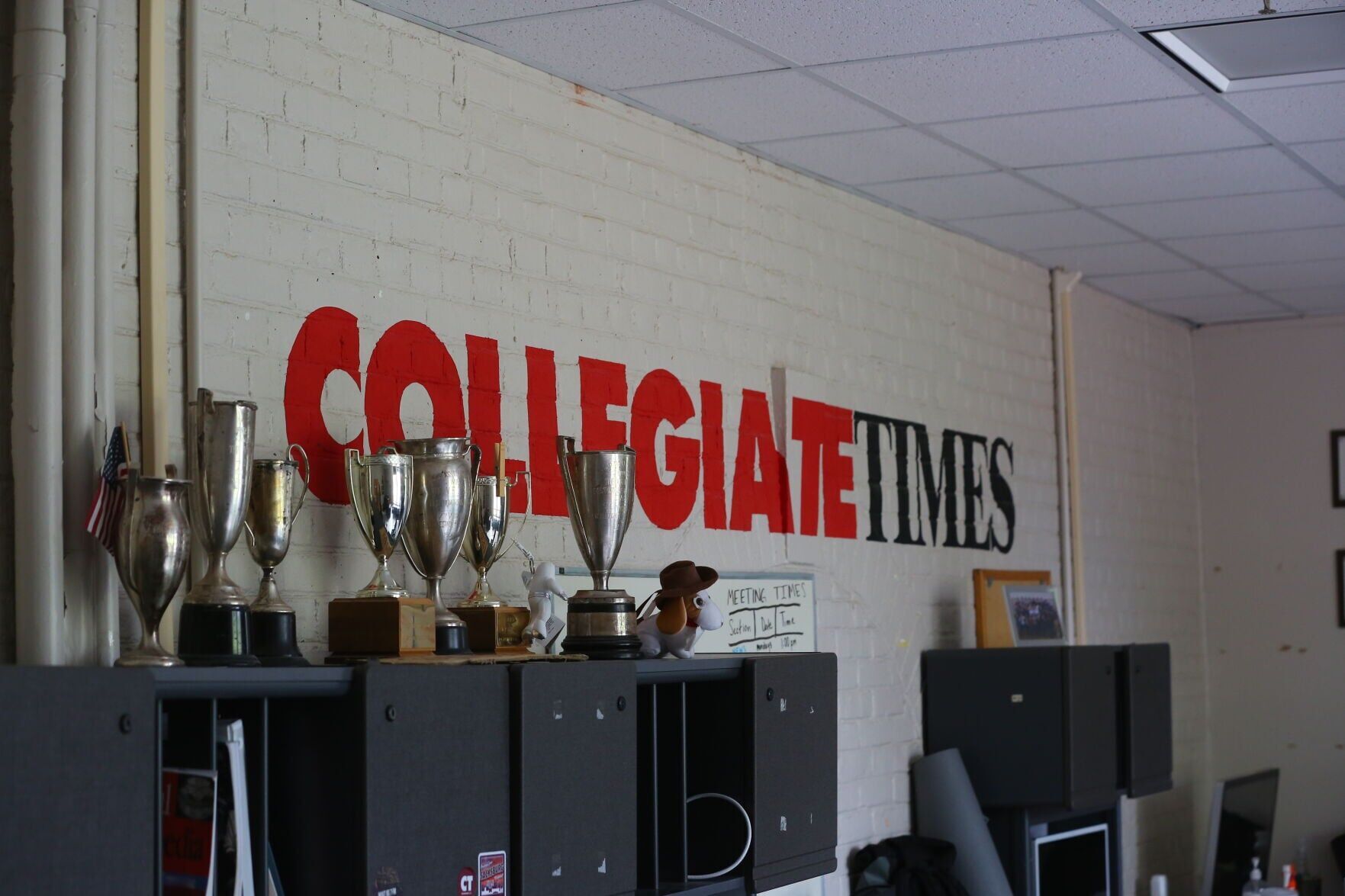
The Collegiate Times, located in the Squires Student Center on Virginia Tech's campus, has ended its biweekly print editions.
Pizzarello said the team hopes the shift will grow readership, particularly among students.
“By pushing out these socials and getting students in videos where they're seeing themselves in the news that we're producing, I think will really excite them in a lot of ways,” she said.
Both Garrison and Pizzarello said supporters of the organization should not see the change as a negative development, but rather as the next step in the publication’s 12-decade history.
And print editions will not disappear entirely. Leadership plans to continue producing special print editions for major events, including graduation and the anniversary of the 2007 campus shooting that killed 32 people.
One of the team’s goals this year is still to publish a graduation print edition.
“So be on the lookout,” she said.
Looking ahead, Garrison said, “Newsworthy, credible information is the CT’s priority. The CT editorial team and writers are saying goodbye to print and saying hello to a new phase of our organization.”
Related

Veuer’s Elizabeth Keatinge gives us some tips on how we can curb the “doomscrolling” habit.