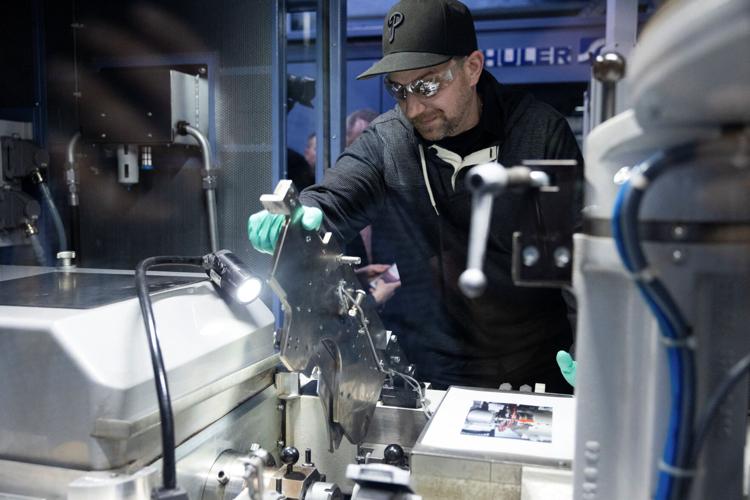
Last year, the United States Mint pressed the last penny.

A U.S. Mint employee places the last penny to be struck into a coining press Nov. 12 at the United States Mint in Philadelphia, Pa.
Rachel Wisniewski, REUTERSPeople are also reading…
- Family sues $10.45 million over Virginia Tech student's suicide
- Virginia Tech administrators Wurthman, Brugger McSorley lose their jobs
- Long-empty building in downtown Rocky Mount could become luxury apartments
- Ranking Virginia Tech's 2026 football slate by interest and opponent strength
- Rain and recent action by ApCo help to increase SML levels
- One juvenile dies, four students injured in car crash on 2nd day of school in Orange County
- Franklin County girls basketball coach leaving for Roanoke College
- Complaint filed against Franklin County leaders
- 10-year-old killed in Franklin County crash, state police investigating
- Franklin County residents bash supervisors on data center discussions
- MLB trade deadline winners and losers: Dodgers, Red Sox and Phillies all in
- Four positions to watch as JMU football opens preseason camp
- Tax-free weekend returns for school supplies, emergency gear, chain saws
- Fauci lets loose on Trump in COVID diary: ‘What an idiot!’
- Joy Powers wins Democratic primary for 9th District

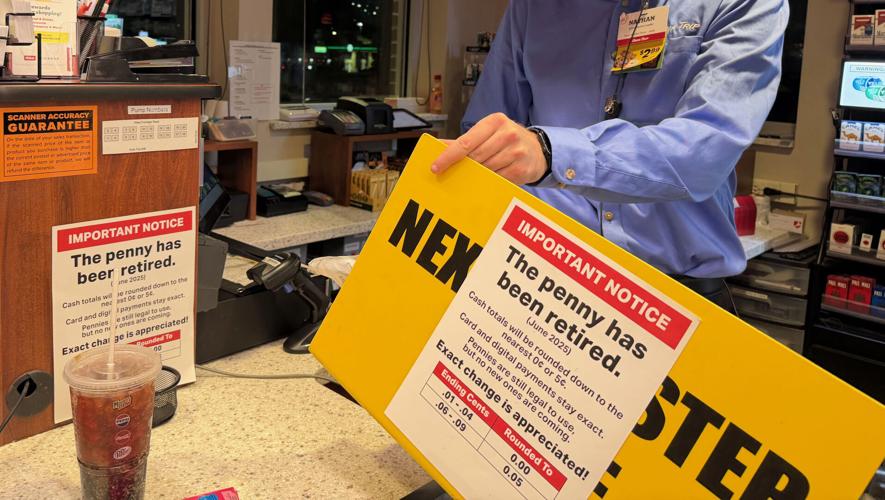
Signs address the end of the penny Nov. 13 at a Kwik Trip convenience store in Kenosha, Wis.
Mark Hertzberg, ZUMA Press Wire
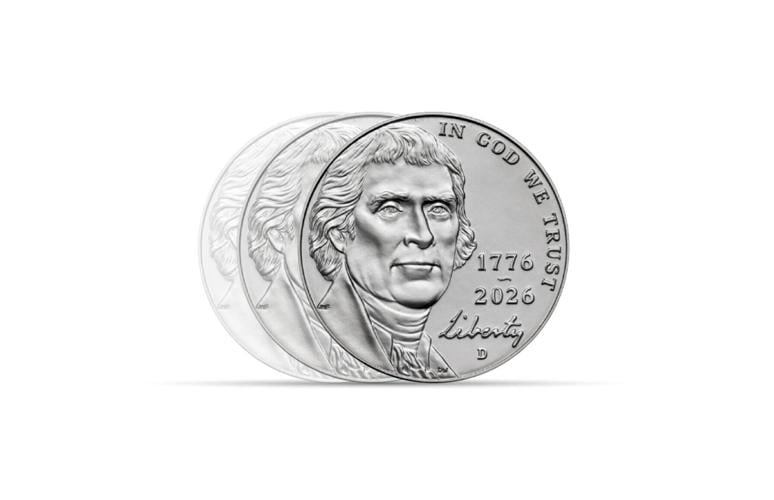
For every nickel, the government spent 13.78 cents, a loss of nearly 9 cents per coin.
U.S. Mint/Photo Illustration


Suburbia is deeply ingrained in American culture, growing in popularity alongside the country’s love affair with cars and its network of highways. As early as the 1830s, Brooklyn Heights laid claim to the title of the first suburb when it connected to Manhattan by steam ferries. A little over 100 years later, Levittown became the new model of suburban development, offering affordable, mass-produced houses on Long Island for veterans returning home after World War II.
Stacker compiled a list of top ranked suburbs in the U.S. using Niche’s annual rankings, which look at such factors as the cost of living, the educational level of residents, housing, and public schools. The data is the most current available. Some housing statistics, including median home values, might not reflect the current market. A deeper look at Niche’s methodology can be found here.
- Canva
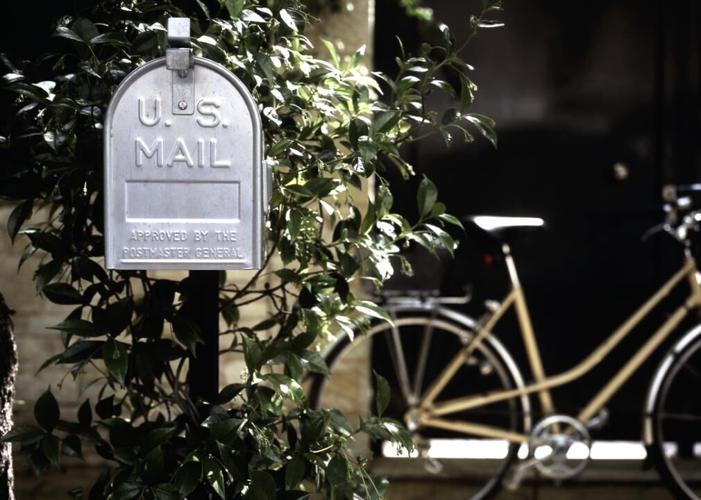
- Suburb of St. Louis, Missouri
- Population: 8,005
- Antlio // Shutterstock

- Suburb of St. Louis, Missouri
- Population: 16,588
- tales.org // Shutterstock

- Suburb of Philadelphia, Pennsylvania
- Population: 6,318
- Spiroview Inc // Shutterstock

- Suburb of Chicago, Illinois
- Population: 8,716
- Aina Jameela // Shutterstock

- Suburb of Boston, Massachusetts
- Population: 59,180
- Wangkun Jia // Shutterstock
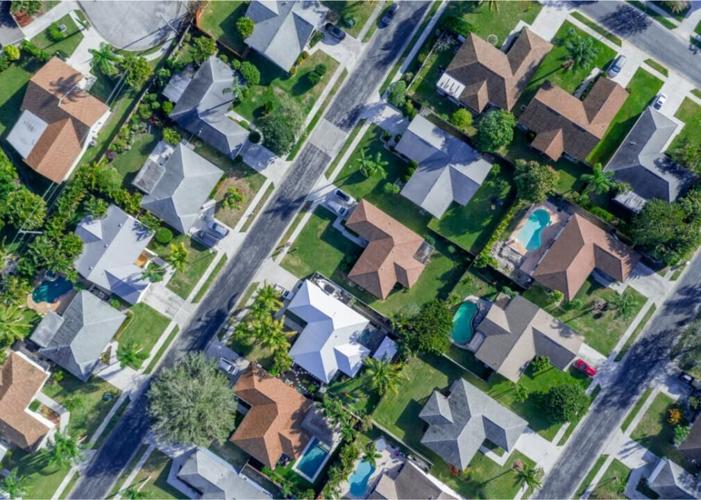
- Suburb of Denver, Colorado
- Population: 2,835
- scarp577 // Shutterstock

- Suburb of St. Louis, Missouri
- Population: 8,500
- Paul Sableman // Wikimedia Commons

- Suburb of Lansing, Michigan
- Population: 24,141
- T-I // Shutterstock

- Suburb of New York City, New York
- Population: 6,957
- Jose F. Donneys // Shutterstock

- Suburb of Indianapolis, Indiana
- Population: 97,464
- Golden Ratio Photos // Shutterstock

- Suburb of Santa Fe, New Mexico
- Population: 12,666
- Abigale Snortland // Shutterstock
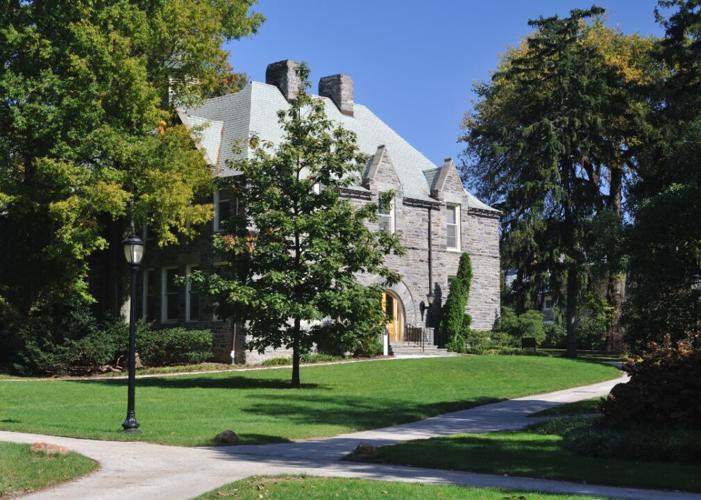
- Suburb of Philadelphia, Pennsylvania
- Population: 12,808
- Canva

- Suburb of Philadelphia, Pennsylvania
- Population: 5,932
- Volodymyr Kyrylyuk // Shutterstock
Best suburbs to live in America

Best suburbs to live in America
Suburbia is deeply ingrained in American culture, growing in popularity alongside the country’s love affair with cars and its network of highways. As early as the 1830s, Brooklyn Heights laid claim to the title of the first suburb when it connected to Manhattan by steam ferries. A little over 100 years later, Levittown became the new model of suburban development, offering affordable, mass-produced houses on Long Island for veterans returning home after World War II.
Stacker compiled a list of top ranked suburbs in the U.S. using Niche’s annual rankings, which look at such factors as the cost of living, the educational level of residents, housing, and public schools. The data is the most current available. Some housing statistics, including median home values, might not reflect the current market. A deeper look at Niche’s methodology can be found here.
- Canva
- Suburb of St. Louis, Missouri
- Population: 8,005
- Antlio // Shutterstock
- Suburb of St. Louis, Missouri
- Population: 16,588
- tales.org // Shutterstock
- Suburb of Philadelphia, Pennsylvania
- Population: 6,318
- Spiroview Inc // Shutterstock
- Suburb of Chicago, Illinois
- Population: 8,716
- Aina Jameela // Shutterstock
- Suburb of Boston, Massachusetts
- Population: 59,180
- Wangkun Jia // Shutterstock
- Suburb of Denver, Colorado
- Population: 2,835
- scarp577 // Shutterstock
- Suburb of St. Louis, Missouri
- Population: 8,500
- Paul Sableman // Wikimedia Commons
- Suburb of Lansing, Michigan
- Population: 24,141
- T-I // Shutterstock
- Suburb of New York City, New York
- Population: 6,957
- Jose F. Donneys // Shutterstock
- Suburb of Indianapolis, Indiana
- Population: 97,464
- Golden Ratio Photos // Shutterstock
- Suburb of Santa Fe, New Mexico
- Population: 12,666
- Abigale Snortland // Shutterstock
- Suburb of Philadelphia, Pennsylvania
- Population: 12,808
- Canva
- Suburb of Philadelphia, Pennsylvania
- Population: 5,932
- Volodymyr Kyrylyuk // Shutterstock

Kids playing soccer in park.
- BAZA Production // Shutterstock